
Most Porto guides will tell you to visit Livraria Lello, queue for a Francesinha at Café Santiago, and cross the bridge. They're not wrong — but they're also not telling you the whole story. This guide does.
Porto is one of those cities that earns its own adjective. Portense. Porto-ish. That specific quality of golden afternoon light on terracotta rooftops, the trams grinding uphill, the smell of grilled fish drifting from the Ribeira, and an old man at a café table who looks like he's been sitting there since 1987 and has absolutely no plans to leave. It's atmospheric in the way that only old cities with complicated histories can be, and it rewards travelers who go slowly and pay attention.
It's also — let's be real — extremely Instagrammed at this point. The top deck of Ponte Dom Luís I has been photographed about 900 million times. The Livraria Lello staircase is one of the most recognisable interiors in Europe. But here's the thing: underneath all the hype, Porto is still genuinely extraordinary. You just need to know where to go, what to skip, and which hill to climb at sunset.
We've spent a lot of time in Porto. This guide reflects what we actually think — not just what everyone else says.

A Quick Bit of History (Porto Is Literally Where Portugal Got Its Name)
Before you arrive, here's something worth knowing: Porto is the reason Portugal exists. The country takes its name from Portucale — a Latin corruption of Portus Cale, the ancient Roman port at the mouth of the Douro river. When the county of Portucale became an independent kingdom in the 12th century, the name stuck, and a nation was born.
Porto also gave its name to Port wine. The fortified wine wasn't invented here — it was made inland in the Douro Valley — but it was shipped out from Porto's quays, and English merchants who traded it started calling it "port." The name has been wine-label canon ever since.
The city's residents are called Tripeiros — tripe-eaters — not as an insult but as a badge of honour. The story goes that during Portugal's Age of Discovery, the people of Porto slaughtered all their livestock to provision the ships of Henry the Navigator, leaving nothing for themselves but offal. They made the best of it, and Tripas à moda do Porto (Porto-style tripe with beans) became one of the city's most beloved dishes. Whether the story is completely true is debatable, but Porto's people tell it with pride.
The historic centre of Porto, including the Ribeira waterfront district, has been a UNESCO World Heritage Site since 1996.
The Must-Do Experiences — Our Honest Rankings
1. Walk the Upper Deck of Ponte Dom Luís I — Absolute Non-Negotiable
Every Porto guide tells you to cross the Ponte Dom Luís I. What most of them don't tell you is which level matters most.
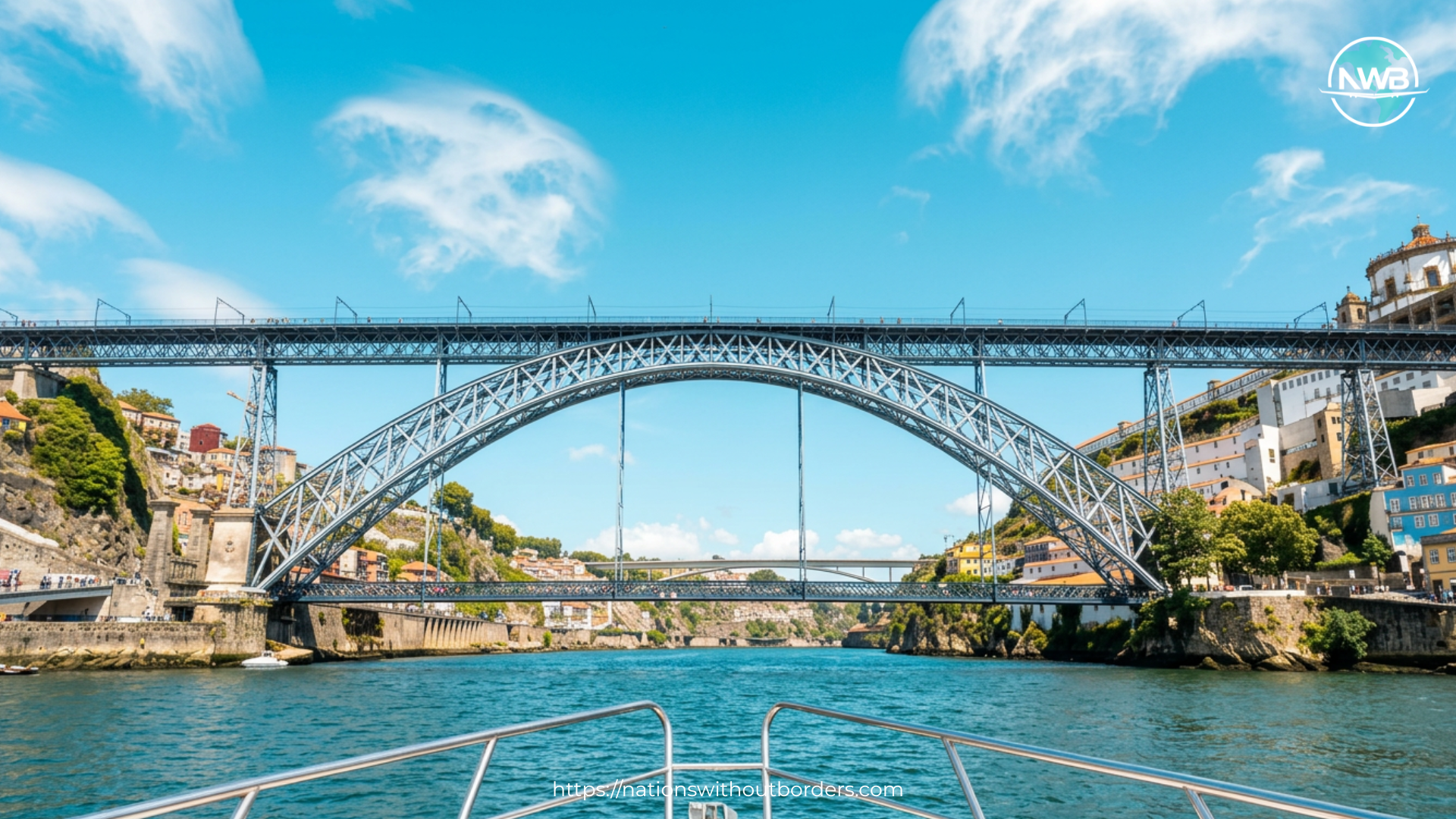
There are two decks: the lower level (road level, cars and cyclists) and the upper level — and the upper level is the one you want. It's where the views are jaw-dropping: the Ribeira spread below you, the Douro glinting, the terracotta rooftops of Gaia on the other side. It's genuinely one of the most beautiful urban walks in Europe.
Two practical warnings we want to give you that most guides skip:
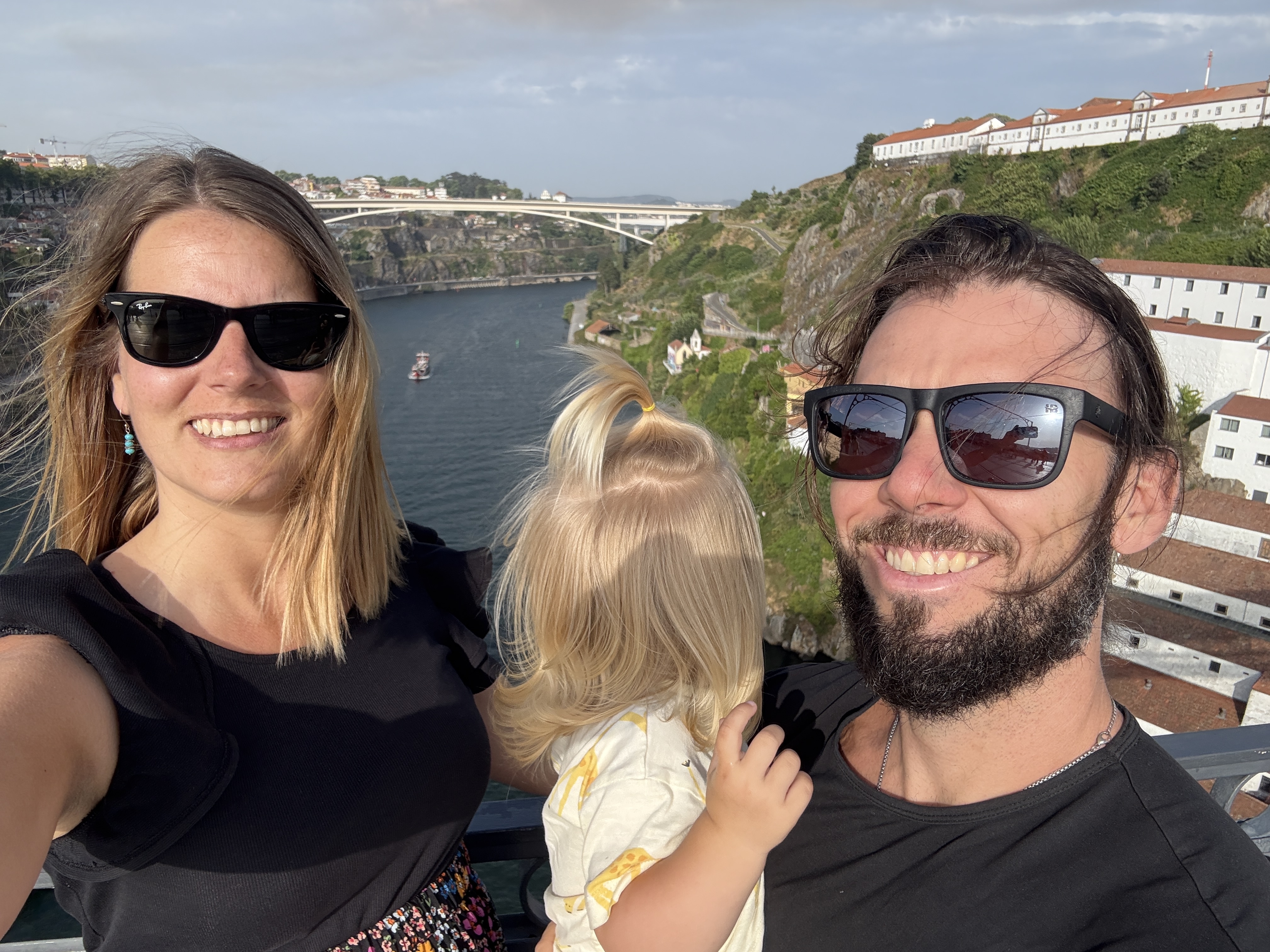
The tram. The upper deck is a shared walkway — and the D line metro runs across it. When you hear it coming, step to the side. It's not dangerous if you're paying attention, but it will absolutely startle you if you're mid-selfie and not expecting it. We've seen plenty of tourists being in the way of the train, don't be like them ;-)
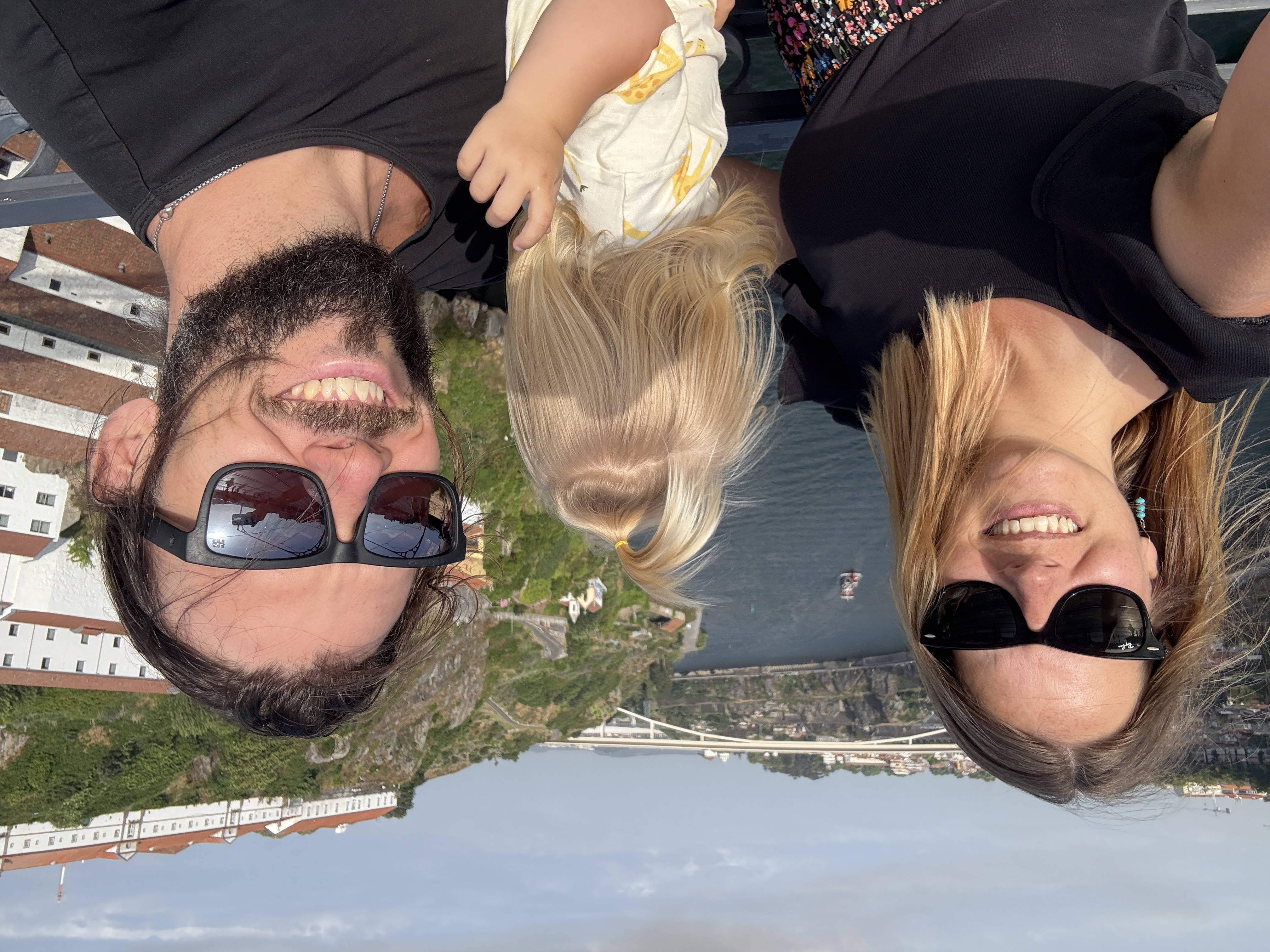
The wind. Porto's location near the Atlantic means the upper level of that bridge can be brutally windy, especially in spring and autumn. Hold onto hats, keep a firm grip on small children, and don't try to eat a sandwich up there. Consider yourself warned.
The bridge was designed by Théophile Seyrig, an associate of Gustave Eiffel, and opened in 1886. The engineering was bold for its time and still looks bold today.
Tip: Do it at sunset. The light hitting the Ribeira from the upper deck is something you won't just forget.
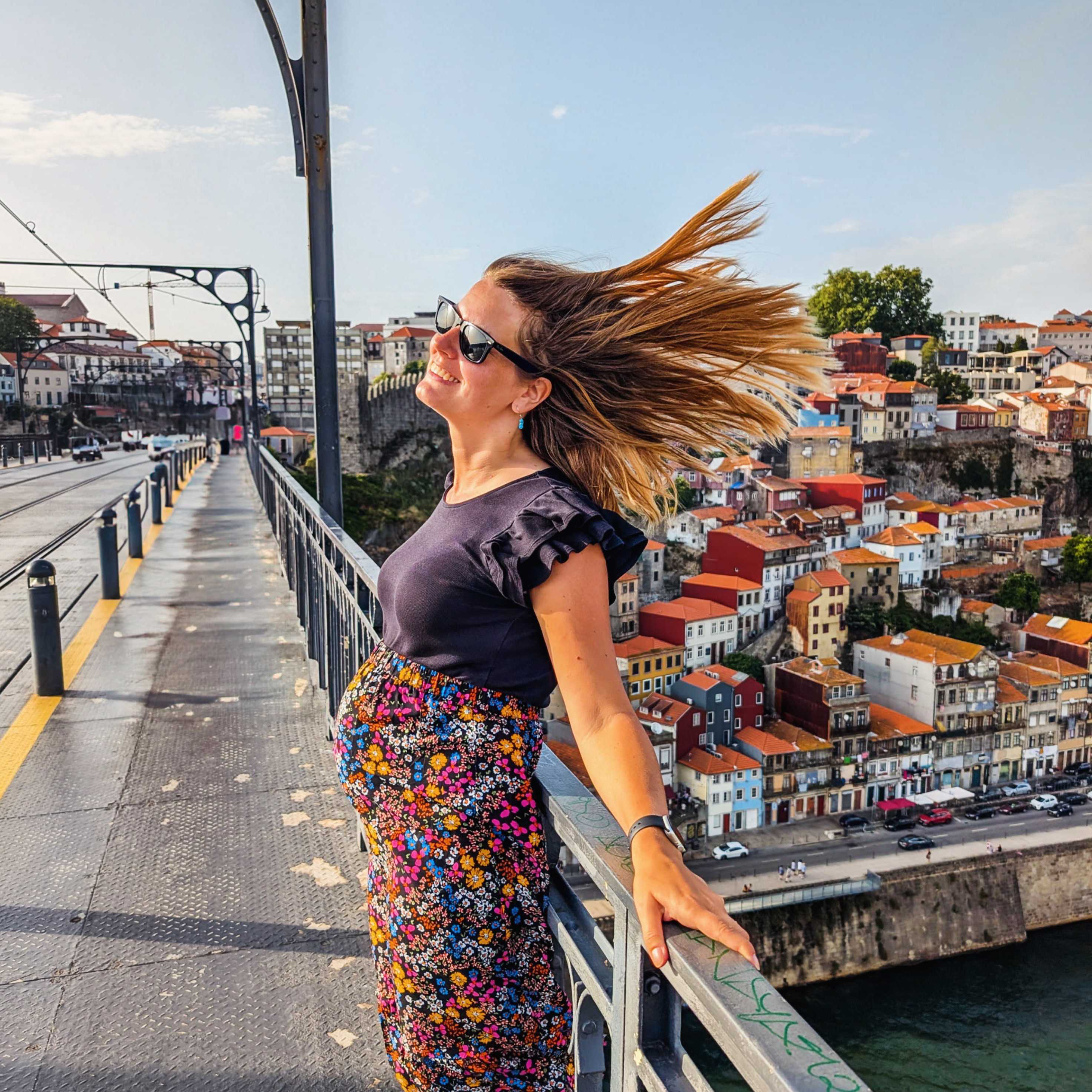
2. Miradouro da Serra do Pilar — Our Favourite View in Porto
Of all the miradouros in Porto — and there are many — our personal favourite is Miradouro da Serra do Pilar, on the Gaia side of the river, right next to the Dom Luís bridge.
This is the viewpoint that gives you everything: the entire sweep of Porto's skyline, the bridge, the Douro, the Ribeira all laid out below you — and you're actually higher than the upper deck of the bridge itself, which means the perspective is extraordinary. It sits next to the Mosteiro da Serra do Pilar, a circular monastery that dates to the 1500s and is genuinely worth a look in its own right.
It's free, it's open all day, and it's a short walk from the bridge if you're already heading to Gaia for port wine. There's no excuse not to go.
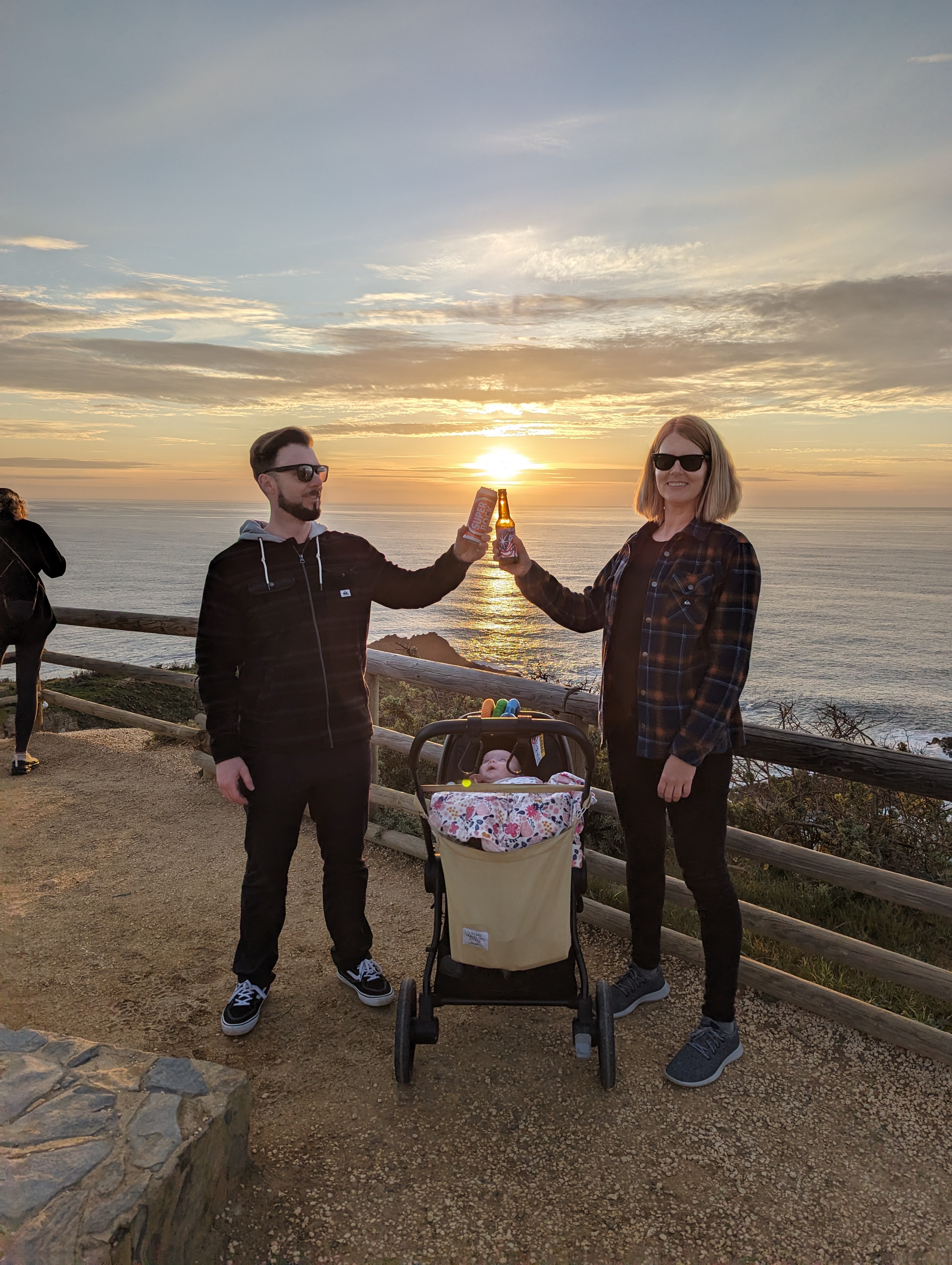
At sunset, grab a takeaway drink from one of the nearby spots, stand at the viewpoint wall, and watch the light change over Porto. That moment is what people mean when they say they fell in love with this city.
3. Port Wine Tasting — Do It, and Here's Where We'd Go
Vila Nova de Gaia, just across the river, is where the port wine lodges are. The reason they're here rather than in the Douro Valley where the wine is made is simple: the climate on this side of the river, close to the cooling Atlantic, was better for ageing the wine before shipping. The lodges have been here for centuries and most of them are still family-run.
Port wine tasting is an absolute must-do in Porto. A basic tasting usually includes three to four different styles — white, ruby, tawny, and vintage — with someone explaining how each one is made and aged. It takes about an hour and costs between €10–€20 depending on the cellar and how deep the tasting goes.
Our personal recommendations:
Calem is one of the most atmospheric options on the Gaia riverfront — great cellars, informative tours, and if you're lucky you'll catch one of their live Fado shows which combine music and wine in a way that is genuinely magical. It's popular, so book ahead.
Augusto's is our other favourite — smaller, more intimate, and the kind of place that feels like a proper discovery rather than a tourist stop. The quality of the tasting experience here is excellent and the staff genuinely love what they do.
Walk to both, compare, decide. Or just do both!
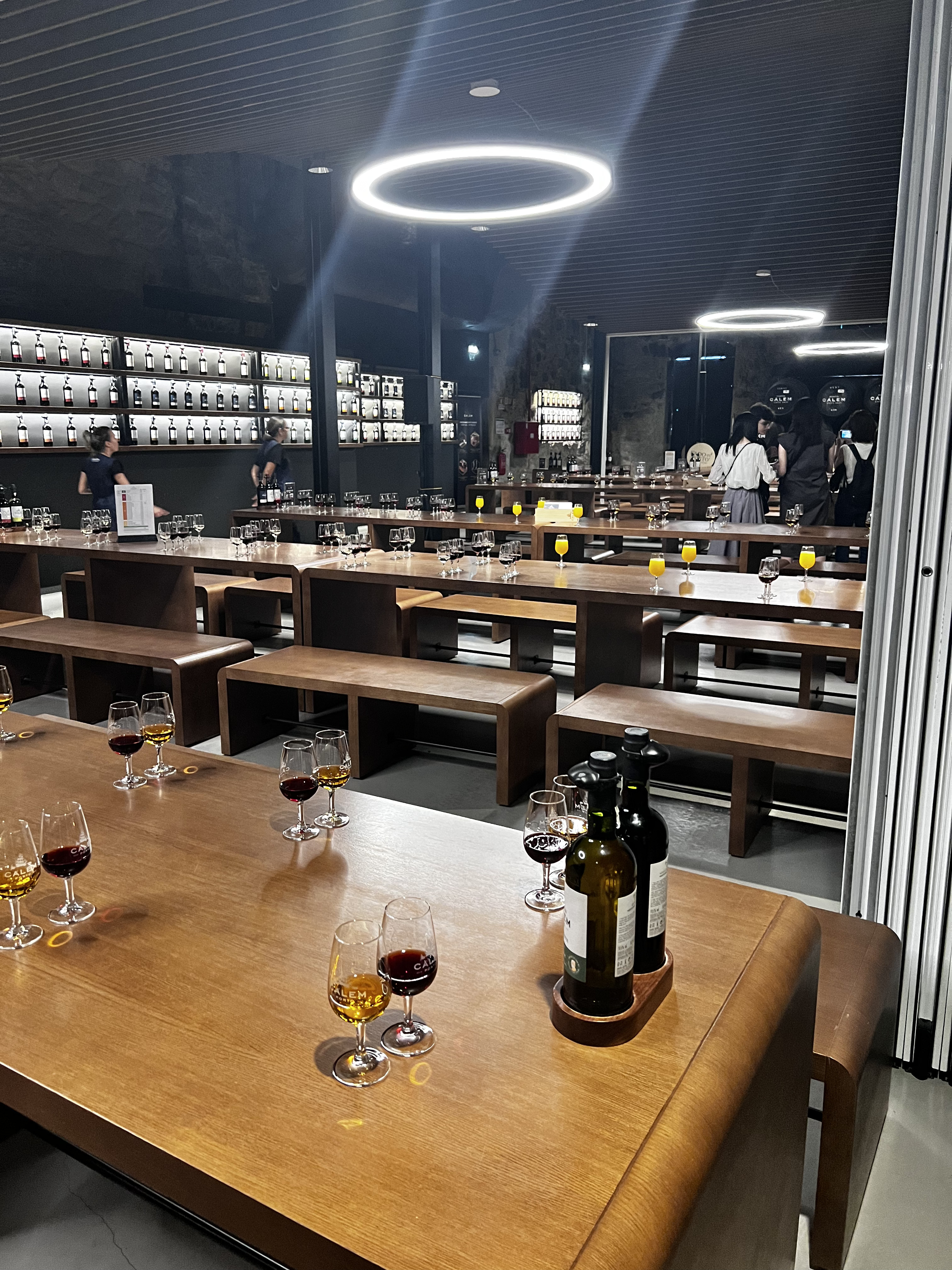
4. Jardins do Palácio de Cristal — Underrated, Beautiful, and Free
Every list of Porto attractions covers the same things. Almost all of them mention the Jardins do Palácio de Cristal, and for good reason!
This garden on a hillside in the Massarelos neighbourhood offers sweeping views over the Douro and the Gaia wine lodges across the river, and they're one of the most peaceful places in the city to spend an hour. The formal gardens, wooded paths, fountains, and quiet corners make it genuinely lovely. And, depending on when you visit, there's a very real chance you'll be followed around by peacocks. Not a metaphor. Actual peacocks.
The palace itself (a 19th-century iron pavilion) hosts concerts and events. The gardens are free to enter. Families particularly love it — there's space to run, things to look at, and no queues. A rarity in Porto's more visited spots.

5. São Bento Station — Stop Even If You're Not Catching a Train
Estação de São Bento is probably the most beautiful train station in the world (in our opinion lol). The entrance hall is covered in 20,000 hand-painted blue and white azulejo tiles by artist Jorge Colaço, depicting scenes from Portuguese history: the conquest of Ceuta, the wedding of João I, and for example, the Battle of Aljubarrota. It took Colaço 11 years to complete.
You don't need a ticket to go in. Walk in, look up, and stay as long as you like. The tiles repay close attention — each one tells a story. Go early in the morning when it's not busy, or accept that there will be crowds and enjoy it anyway.

The Honest Take on Livraria Lello
Every Porto guide will tell you to visit Livraria Lello, and yes — it is architecturally beautiful. The ornate red staircase, the stained glass ceiling, the neo-gothic carved details. It's genuinely one of the most stunning bookshop interiors in the world.
But here's the truth that most travel guides gloss over: it is almost always extremely crowded, and for many visitors, the reality doesn't live up to the hype built around queuing for it. The bookshop charges a €10 entry fee (redeemable against a book purchase), and even with timed entry tickets the space can feel uncomfortably packed.
Our honest recommendation: if seeing beautiful architecture in a bookshop is genuinely something that excites you, go for it — buy your ticket online in advance for the earliest slot of the day and you'll have the best chance of a manageable visit. If you're ambivalent, or if you're traveling with young children who have limited patience for standing in a crowded stairwell, spend that time and energy at the Palácio de Cristal gardens or on the bridge instead.
It's not a must-see for everyone, honestly.

The Neighbourhoods Worth Knowing
Ribeira is Porto's waterfront heart — the medieval riverfront quarter, the most photographed and most visited. It's the right place to come for the classic Porto experience, a glass of wine at a riverside table, and the evening light on the water. It's busy, it's atmospheric, and it earns every photograph taken of it.
Baixa (the lower city) is the commercial centre, spreading uphill from the waterfront toward Aliados and the grand central square. São Bento is here, as is Livraria Lello and the elegant Praça da Liberdade. Walkable, central, and the right neighbourhood to stay in for your first visit.
Cedofeita is where Porto gets local — independent shops, art galleries, good coffee, neighbourhood restaurants that don't have tourist menus. If you're staying a few days and want to feel less like a visitor, wander up here.
Foz do Douro is where the river finally meets the Atlantic Ocean. The neighbourhood around the mouth of the Douro is Porto's most upscale — wide avenues, granite sea walls, small sandy coves, and a promenade that's perfect for an evening walk. The Farolim de Felgueiras lighthouse at the very tip is a particular favourite for sunset. Jump in an Uber and spend a couple of hours here — it's a completely different Porto from the historic centre and absolutely worth seeing.

The Food: What You Need to Eat in Porto
Francesinha — This Is Not a Suggestion
The Francesinha is Porto's gift to the world of comfort food, and "extreme" is not too strong a word for it. The basics: two slices of bread stuffed with ham, linguiça sausage, and steak, covered in melted cheese, topped with a fried egg, and then submerged in a thick, slightly spicy tomato-and-beer sauce. It's served with a mountain of fries to mop up the sauce. It weighs approximately one kilogram.
The story of its creation is a good one: in 1953, a Portuguese man named Daniel Silva returned from working in France, where he'd encountered the Croque Monsieur. He wanted to make something similar but more Portuguese — and his answer was the Francesinha, which translates loosely as "little French girl." You'll hear it said that the French connection explains the name. The sauce is what makes the Porto version its own thing entirely.
Every local has a favourite. Debate about the best one is genuinely fierce. For first-timers, just pick one and eat it — you'll understand immediately why it has devotees.
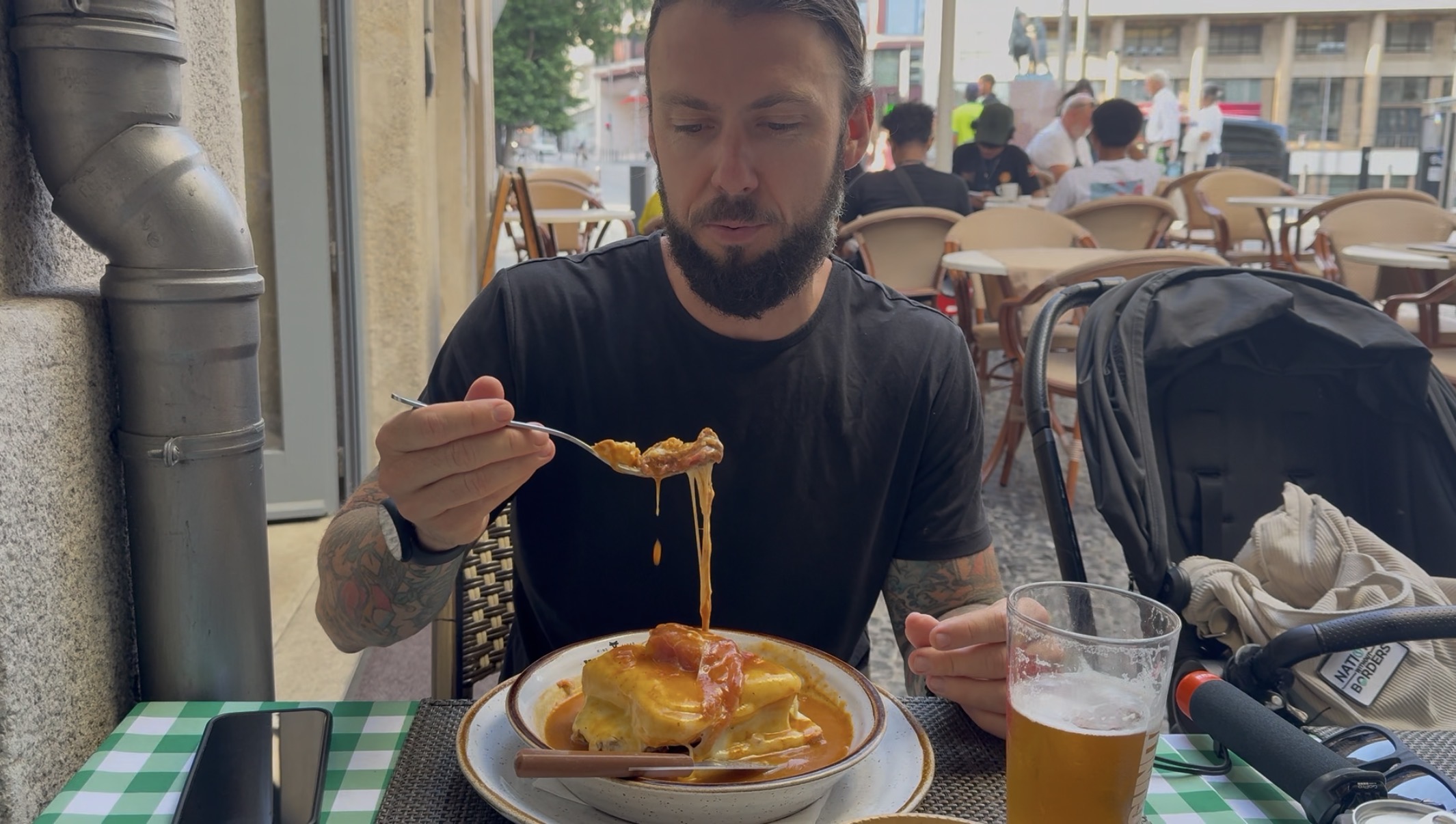
Other Things Worth Ordering
Tripas à moda do Porto — the famous tripe stew with white beans and various cuts of pork. Authentic and deeply comforting. The dish that made the Tripeiros famous.
Bacalhau à Brás — shredded salt cod with scrambled eggs and thin potato strings. Deceptively simple, unforgettable.
Cachorrinhos at Cervejaria Gazela — Porto's answer to the hot dog: small, spicy, grilled until the skin crisps. Anthony Bourdain ate these here and talked about them publicly. Worth knowing.
Pastéis de nata — Porto does them beautifully. Get them warm, with cinnamon. Manteigaria has a branch in Porto and it's excellent.
Arroz de pato — shredded duck baked with fragrant rice and topped with crispy chorizo. A quintessential Portuguese baked rice dish that Porto does particularly well.
Our Specific Restaurant Recommendations
Majestic Café on Rua de Santa Catarina has been serving coffee and pastries since 1921, and the interior — Belle Époque gilded mirrors, leather banquettes, ornate carved wood — is one of the most beautiful café rooms in Europe. It's touristy, yes. It's also genuinely wonderful. Go for coffee and a pastry rather than a full meal, take your time, and enjoy the fact that you're sitting in a room that has looked almost exactly the same for over 100 years.
Steakhouse Porto, Vaccarum is exactly what the name promises and does it exceptionally well — quality meat, good wine list, the kind of meal you plan your afternoon around. Porto has an excellent steakhouse tradition and this is one of the standouts.
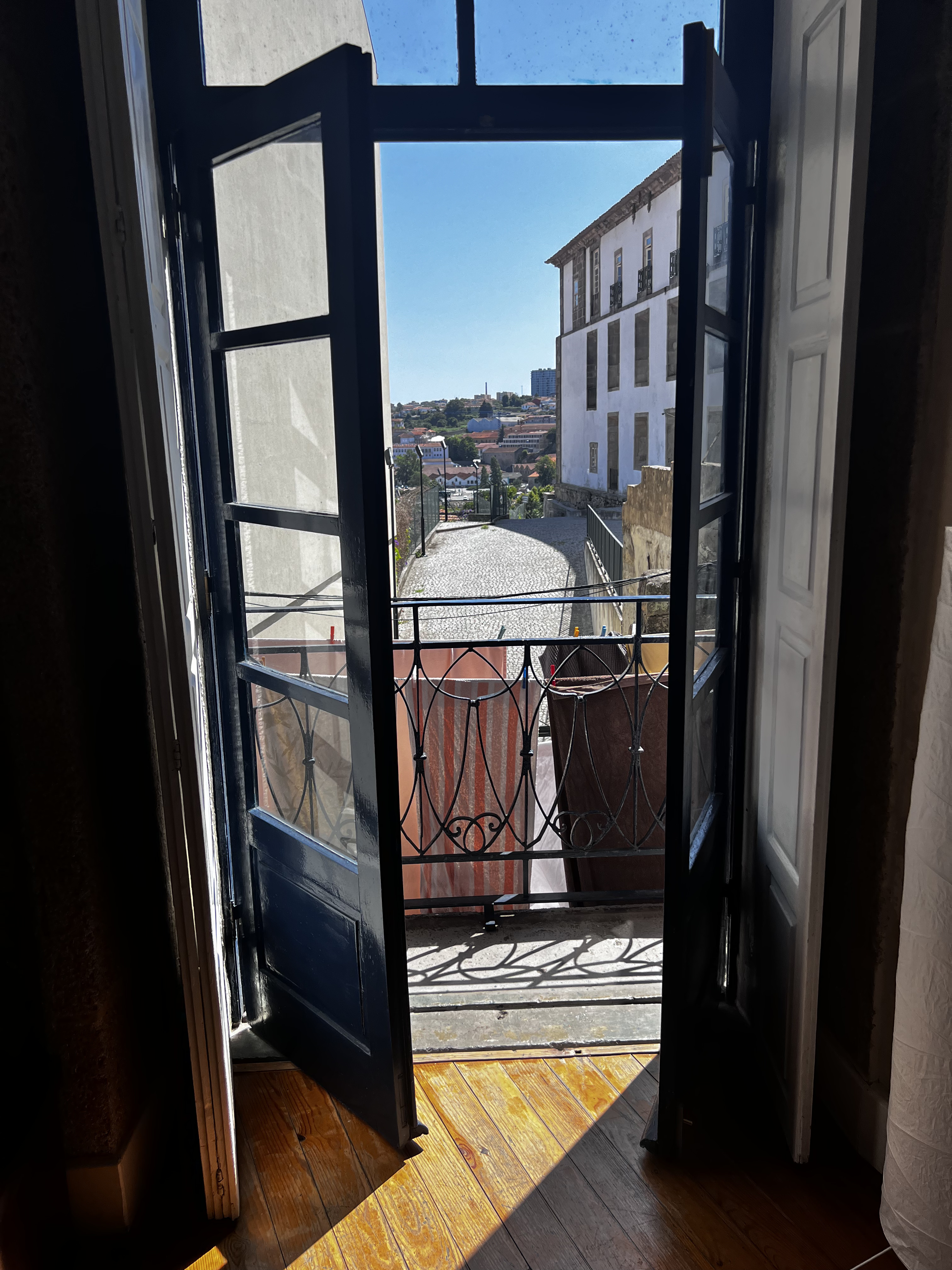
Free Things to Do in Porto
Porto can eat a travel budget quickly if you're not paying attention, but some of its best experiences cost nothing at all. Before you plan your trip, check out our 101 Portugal Travel Tips for practical money-saving advice that covers the whole country.
For Porto specifically, these are our favourite free experiences:
Walk the upper deck of Ponte Dom Luís I — free, always open, one of the best urban walks in Europe (see above for the tram and wind warnings).
Miradouro da Serra do Pilar — free, open all day, the best view in the city.
Jardins do Palácio de Cristal — free gardens with river views and (bonus) peacocks.
São Bento Station — free to enter, 20,000 azulejo tiles, no ticket required.
Wander Ribeira — the waterfront is a public space. Buy a drink from a café, sit on the steps, watch the boats. No entrance fee required to experience the postcard.
The São João Festival (June 23rd) — Porto's biggest annual celebration transforms the entire city into one massive free party. Street concerts, sardines on the grill, fireworks over the river, and the tradition of hitting people on the head with plastic hammers (the target, traditionally, is the person you fancy — this is genuinely a custom). If you can time a Porto visit for June 23rd, do it.

Day Trips from Porto
Porto's position in northern Portugal makes it a natural base for some excellent day trips:
Douro Valley — the world's oldest demarcated wine region (officially since 1756) is about 1.5 hours by car, or reachable by scenic train from São Bento Station. The landscape of terraced vineyards dropping to the river is stunning, and wine tastings at a quinta feel completely different from the big Gaia lodges.
Aveiro — the "Venice of Portugal" with its moliceiro boats and Art Nouveau architecture is about 1 hour south by train. Perfect for a half-day.
Braga — one of Portugal's oldest cities, with extraordinary religious architecture including the Bom Jesus do Monte sanctuary (that staircase). About 45 minutes by train.
Guimarães — birthplace of Portugal's first king and a beautifully preserved medieval centre. Also about 1 hour from Porto.
Best Time to Visit Porto
Spring (April–June) is our favourite time. The city is lush, temperatures are comfortable (16–22°C), and June brings the São João festival. Go in late May or June if at all possible.
Autumn (September–October) is equally good — warm, settled, less crowded than summer, and coincides with the Douro Valley wine harvest, which makes a day trip to the vineyards especially rewarding.
Summer (July–August) is busy and hot, but Porto has beaches nearby (Matosinhos is a 20-minute metro ride) and the energy in the city is fantastic. Just book accommodation early.
Winter (November–March) is quieter and rainier, but never truly cold. Porto in the fog and rain has its own grey beauty, and the city's restaurants and wine bars become especially appealing when it's drizzling outside. Prices are lower, crowds are thin.
Getting There & Getting Around
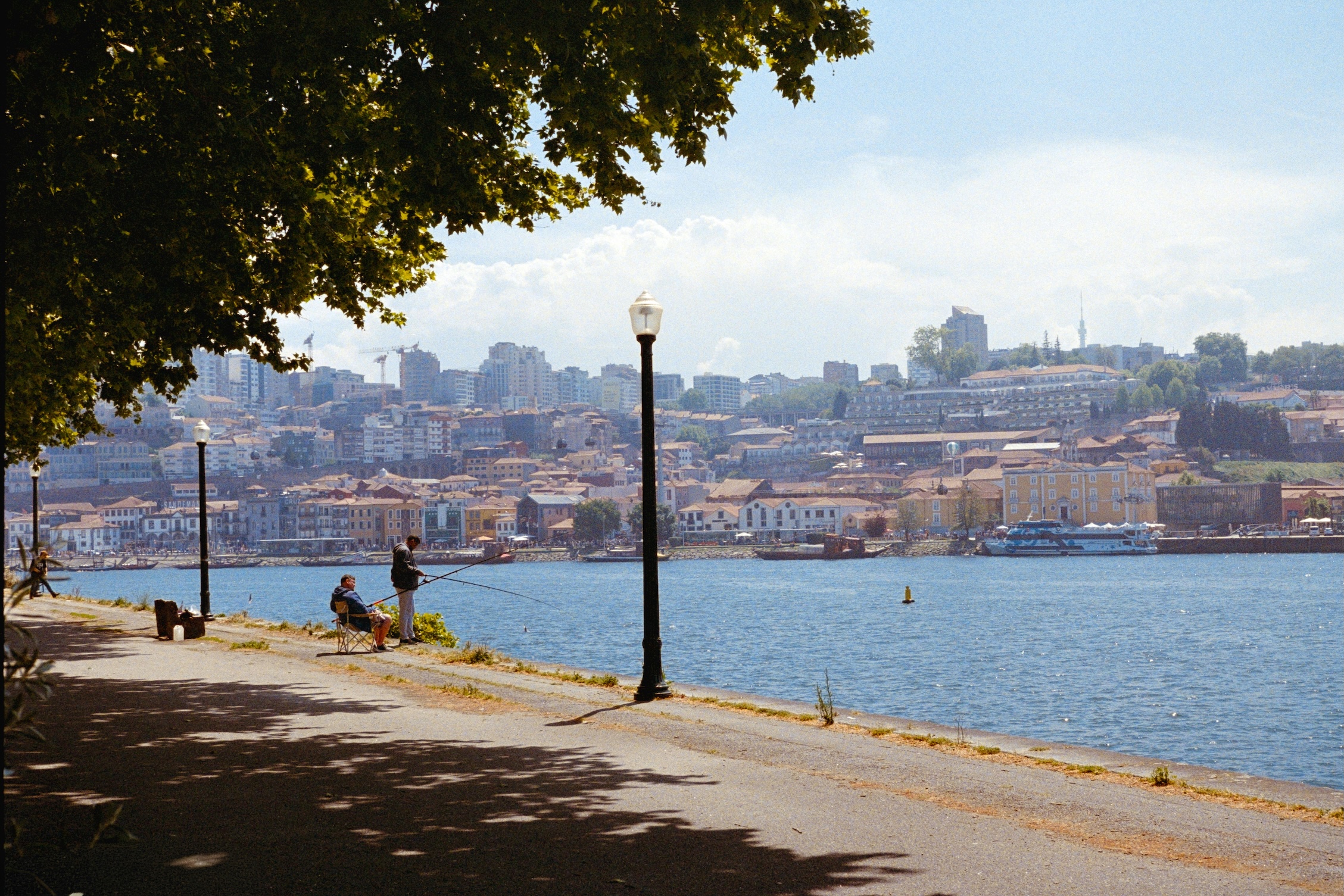
Fly into Porto Airport (Francisco Sá Carneiro Airport / OPO) — well-connected to most European cities and increasingly to North America. The purple metro line (E) connects the airport to the city centre in about 25–35 minutes, inexpensively. Uber and Bolt are also widely available.
Getting around Porto: the city is compact but hilly. Comfortable walking shoes are non-negotiable. The metro is useful for longer journeys and airport transfers. Uber/Bolt is cheap and much better than trying to walk uphill after a long day. The historic trams (particularly Tram 22E and Tram 1 to Foz) are slow but scenic and very worth doing once.
You don't need a car in Porto — the city is small, the hills make driving confusing, and parking is a genuine headache. If you're planning day trips to the Douro Valley, hire a car for that specific day from a rental office in the city.
Porto for Families
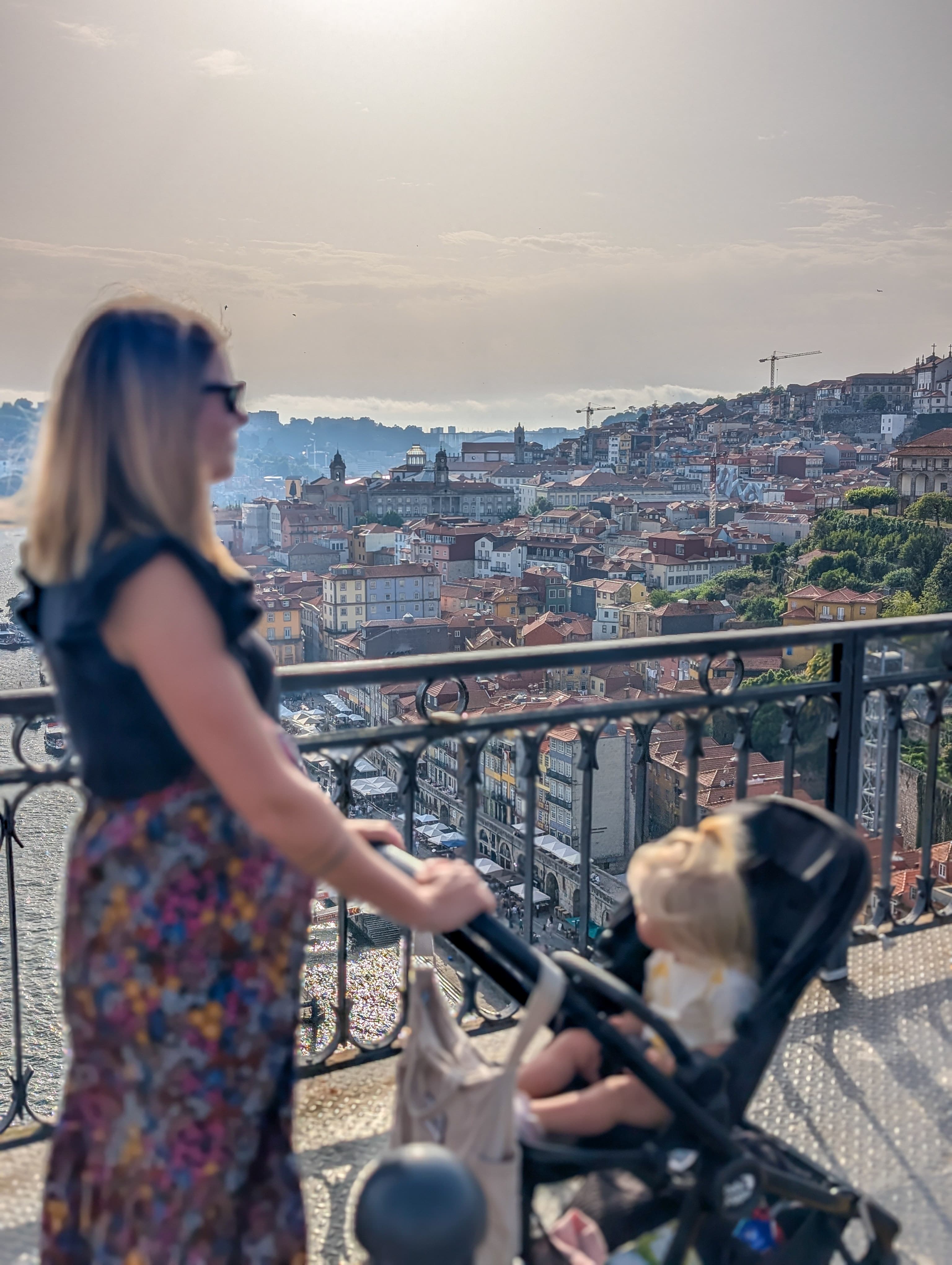
Porto is an excellent family destination — more so than many people expect. The city is energetic without being overwhelming, and the variety of experiences means you can easily mix culture with outdoor fun. Here are some family-friendly highlights in Porto:
1. Serralves Park & Quinta (free on Sunday mornings)
The Serralves Foundation has a stunning Art Deco mansion, contemporary art museum, and a working farm (Quinta da Serralves) where kids can see animals. The park alone is worth the trip — paths wind through manicured gardens, woodland, and meadows with a small lake. Sunday mornings are free entry until 1pm, which makes it one of Porto's best family deals.
2. Teleférico de Gaia (cable car)
A short but thrilling cable car ride that runs from the Gaia riverfront up the hill, with spectacular views of Porto and the Douro below. It's inexpensive, takes about five minutes, and is exactly the kind of small adventure that kids (and adults) talk about afterwards. Combine it with a port wine tasting for the grown-ups while you're already in Gaia.
3. The 6 Bridges Douro River Cruise
Seeing Porto from the water completely changes your perspective on the city. The boat passes under all six of Porto's Douro bridges, each a different era of engineering. Kids love being on the water and spotting the Ribeira from the river side. Evening departures with the sunset light on the buildings are particularly magical.
4. Parque da Cidade
Porto's largest urban park stretches all the way to the Atlantic Ocean — you can walk or cycle through it and end up at the beach in Matosinhos. There are playgrounds, a lake with ducks, wide open grassland for running around, and picnic spots throughout. It's a good half-day out, especially combined with lunch at the seafood restaurants in Matosinhos afterwards.
5. Museu do Carro Elétrico (Tram Museum)
Porto's Electric Tram Museum houses a beautiful collection of vintage trams dating back to 1872, parked in an old riverside depot. Kids who are into vehicles find it genuinely exciting, and the old cars are fun to climb around and photograph. It's small, affordable, and ends right on the riverfront near Foz — easy to combine with a walk along the water.
Practical note: Porto's hills and cobblestones are a genuine challenge with pushchairs and prams. Plan your routes carefully, use Uber for the steeper sections, and pack comfortable shoes for everyone.
Thinking About Moving to Porto?
For our audience of families considering life in Portugal — Porto is one of the most popular cities for expats, and for good reason. It's more affordable than Lisbon, the quality of life is high, the international community is well-established, and the city is genuinely liveable in the way that the tourist experience only hints at.
If you're considering a move, understanding Portugal's visa options is the essential first step. We've put together a comprehensive breakdown of the Portugal D-type visas — covering the passive income visa, digital nomad visa, job-seeker visa, and more — with a clear spreadsheet to help you figure out which route applies to your situation. It's a great starting point before you dive into the full application process.
7 Fun Facts About Porto
- Porto gave its name to both Portugal and port wine. The country is named after the ancient Roman settlement Portus Cale at the Douro's mouth. Port wine got its name from English merchants who shipped it from Porto's quays.
- Porto's residents are called Tripeiros — tripe-eaters — because they gave all their meat to sailors heading out on the Age of Discovery voyages, leaving themselves only offal. They made it delicious anyway.
- Ponte Dom Luís I was designed by an associate of Gustave Eiffel, Théophile Seyrig. If the ironwork looks familiar, it's because the engineering thinking is very similar.
- São Bento Station took 11 years to tile. Artist Jorge Colaço painted all 20,000 azulejo panels by hand. The work covers 551 square metres of wall.
- Porto's historic centre became a UNESCO World Heritage Site in 1996 — before Lisbon made the same list.
- The upper level of Ponte Dom Luís I is shared with the metro. A fact that surprises most visitors when a tram suddenly appears from nowhere on what they thought was a pedestrian walkway.
- The Douro Valley is the world's oldest demarcated wine region. The boundaries were first drawn up in 1756 — nearly 100 years before Bordeaux received its official classification.
Frequently Asked Questions About Porto
What is Porto, Portugal known for?
Porto is known for its port wine, its colourful Ribeira waterfront (UNESCO World Heritage Site), the iconic Ponte Dom Luís I bridge, São Bento Station's extraordinary azulejo tile murals, the Francesinha sandwich, and its world-class viewpoints over the Douro River.
How many days do you need in Porto?
Two to three days covers the main highlights comfortably. Three to four days lets you add a day trip to the Douro Valley or Braga without feeling rushed. If you're considering living in Porto, plan a longer scouting trip — the city reveals itself slowly.
Is Porto worth visiting?
Absolutely. Porto has one of the most distinctive atmospheres of any city in Europe — genuinely historic, visually stunning, with excellent food and wine, and still manageable in scale. It consistently ranks among Europe's top travel destinations, and for good reason.
Is Livraria Lello worth visiting?
It depends on your expectations. The interior is genuinely beautiful. However, it is often extremely crowded and some visitors find the reality doesn't match the hype. If you go, book the earliest timed entry online to minimise queuing. If you're easily disappointed by crowds, consider skipping it and spending that time at a viewpoint instead.
What is the best viewpoint in Porto?
Our personal favourite is the Miradouro da Serra do Pilar in Vila Nova de Gaia — free, open all day, and it offers one of the best views of Porto, the bridge, and the Douro from a position higher than the bridge's upper deck. Jardim do Morro (next to the Gaia end of the bridge) is also excellent for golden hour.
Where is the best place to try port wine?
Vila Nova de Gaia, just across the river, is home to the historic port wine lodges. Calem offers great tours and occasional live Fado shows. Augusto's is our other recommendation — smaller, more personal, excellent tasting experience.
Is Porto good for families?
Yes — the Jardins do Palácio de Cristal, Douro river cruises, São Bento's tiles, and the bridge walk are all brilliant for families. The beaches at Foz and Matosinhos are also close. The main challenge is the steep hills and cobblestones with pushchairs — plan accordingly.
When is the São João festival in Porto?
The Festa de São João takes place every year on the night of June 23rd, filling Porto's streets with fireworks, live music, grilled sardines, and several hundred years of tradition. It's one of the largest midsummer festivals in Europe and a genuinely extraordinary experience if you can time your visit around it.
What visa do I need to move to Portugal?
Portugal offers several visa routes for long-term residency, including the D7 passive income visa, digital nomad visa, and job-seeker visa among others. We've broken down all the options in our Portugal D-type visa overview — a clear, practical starting point for anyone planning a move.
Porto rewards patience. Go slowly, eat well, climb the hills, stand on the bridge at sunset and let the wind batter your hair around while the tram rattles past. Order the Francesinha. Drink the port. Find a café and sit in it for longer than is strictly necessary.
The city has been there for over 2,000 years. It will take excellent care of you.