
Central Portugal: The Ultimate Travel Guide to Portugal's Hidden Heart
Whether you're planning a family road trip, dreaming of moving abroad, or simply hungry for a destination that's still off the tourist radar — Central Portugal is quietly waiting for you. And trust us, it will absolutely blow your mind.
Central Portugal is one of Europe's best-kept secrets, and somehow — despite having world-record waves, one of the oldest universities on the planet, medieval villages that look like film sets, and enough incredible food to keep you busy for a lifetime — it consistently gets overshadowed by Lisbon and the Algarve.
That's great news for you.
The Centro Region (as it's officially known) stretches from the silvery Atlantic coast all the way to the rugged Spanish border, taking in dramatic mountains, river valleys, walled medieval towns, pilgrimage cities, and surf beaches along the way. It's where Portugal's soul really lives — and once you visit, you'll understand why so many people who come "just for a week" end up rearranging their entire lives to stay longer.
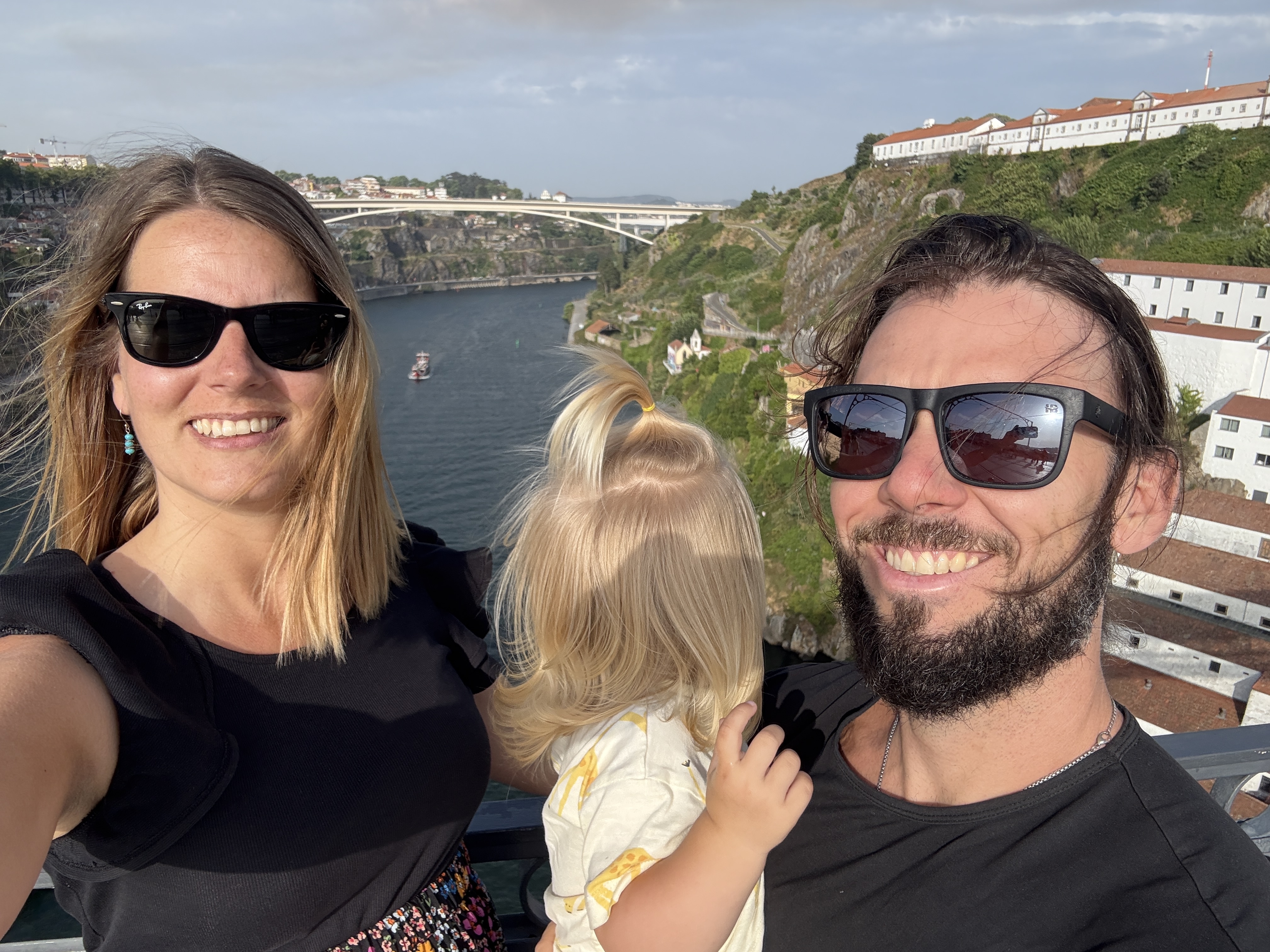
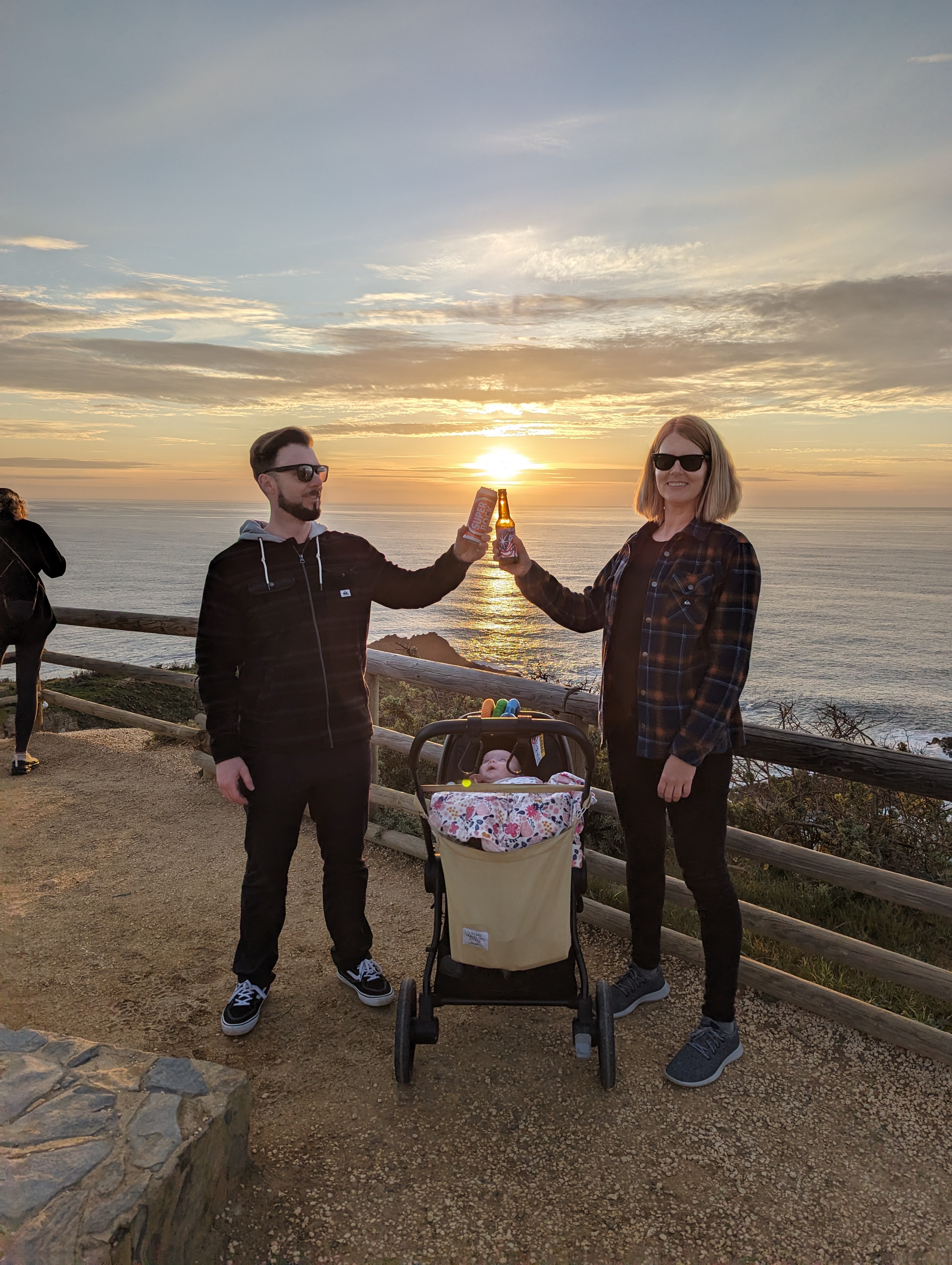
We're a family-based in Portugal (you can read more about our life here on the blog), and Central Portugal is one of our most-loved regions to explore. Here's everything you need to know before you go.

What Exactly Is Central Portugal?
Central Portugal isn't just a vague middle section on a map. It's an officially defined region — the Região Centro — and it's Portugal's largest administrative region by land area, covering about one-third of the country. It borders the Norte region to the north, the Alentejo to the south, Spain to the east, and the Atlantic Ocean to the west.
With around 2.2 million people spread across its cities, towns, and tiny hillside villages, it's less densely populated than Lisbon or Porto — which is a big part of its charm. You can drive for an hour through pine forests and cork oak groves without hitting traffic. You can walk into a 900-year-old monastery and be the only visitor. You can sit at a seafood restaurant on the Silver Coast and watch fishermen haul in the day's catch.
The region is made up of several historical sub-regions, including the Beiras (Beira Alta, Beira Baixa, and Beira Litoral), Estremadura, and the Ribatejo. Each has its own distinct personality, landscape, and food culture — which makes exploring the whole area feel like visiting multiple destinations in one trip.
A Quick But Fascinating History
Central Portugal isn't just scenic — it's layered with thousands of years of history, and understanding a bit of that backstory makes everything you see far more interesting.
Romans & Pre-History: Long before Portugal existed as a country, this land was Celtic, then Roman. The most impressive remnant of Roman occupation is Conimbriga, one of the best-preserved Roman sites on the Iberian Peninsula, located just south of Coimbra. Think Pompeii vibes — intricate mosaic floors, bathhouses, forum ruins — without the crowds. It's an absolute must-see and rarely mentioned in competing travel guides.
Moors & the Reconquista: From the 8th to the 12th centuries, Moorish rule shaped much of what is now Central Portugal. When the Reconquista — the Christian reconquest of the Iberian Peninsula — pushed south, the region became a vital frontier. Castles, defensive towers, and fortified villages were built throughout this era, and you can still see them dotting the hillsides today.
Coimbra: Portugal's First Capital: This surprises many visitors. Before Lisbon, Coimbra was the capital of Portugal. The country's earliest kings were crowned and buried here, and the city's University — founded in 1290 — became one of the most important institutions in the Portuguese-speaking world. Coimbra's medieval character is deeply tied to this royal and academic legacy.
The Knights Templar: Few things in Portugal are as cool as the Templar legacy, and nowhere is it more concentrated than Tomar. After the Templars were dissolved across Europe, Portugal's King Dinis shrewdly reconstituted them as the Order of Christ — and they went on to fund and inspire the Age of Exploration. Vasco da Gama, Magellan, and many other explorers carried the Order of Christ's cross on their sails. The Convent of Christ in Tomar is a UNESCO World Heritage Site and a direct link to this era.
Belmonte's Secret Jews: One of the most extraordinary stories in all of Central Portugal involves the town of Belmonte. When King Manuel I expelled the Jews from Portugal in 1496, a community in Belmonte chose to stay — practicing their faith in absolute secrecy for nearly 500 years, hiding behind the facade of Catholicism. They were only "rediscovered" by the outside Jewish world in the 1920s. Today, Belmonte has an active Jewish community, a beautiful synagogue (the Bet Eliahu), and a Jewish museum — making it one of the most historically significant places in all of Europe.
The Cities: What You Need to Know
Coimbra — The Soul of Central Portugal
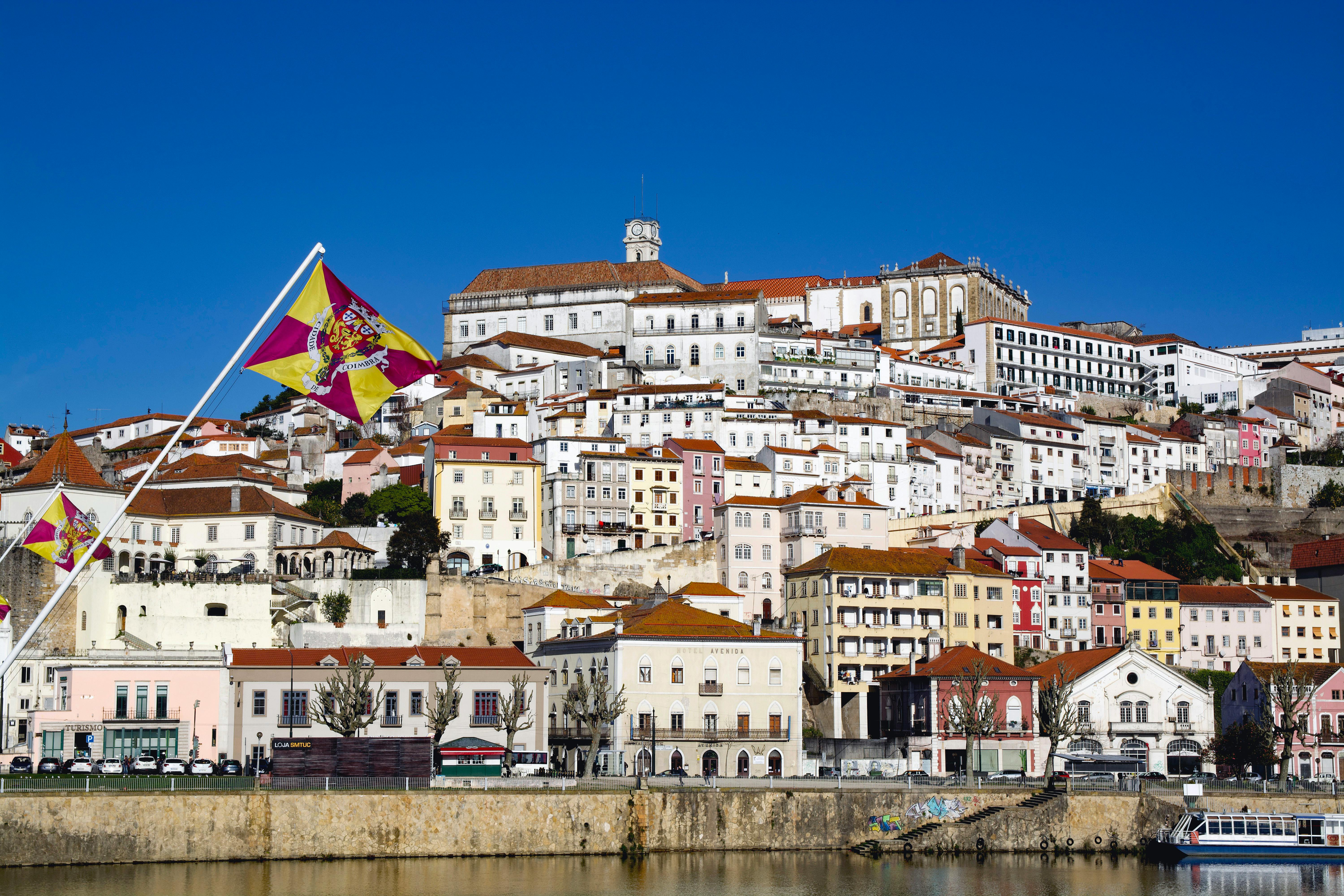
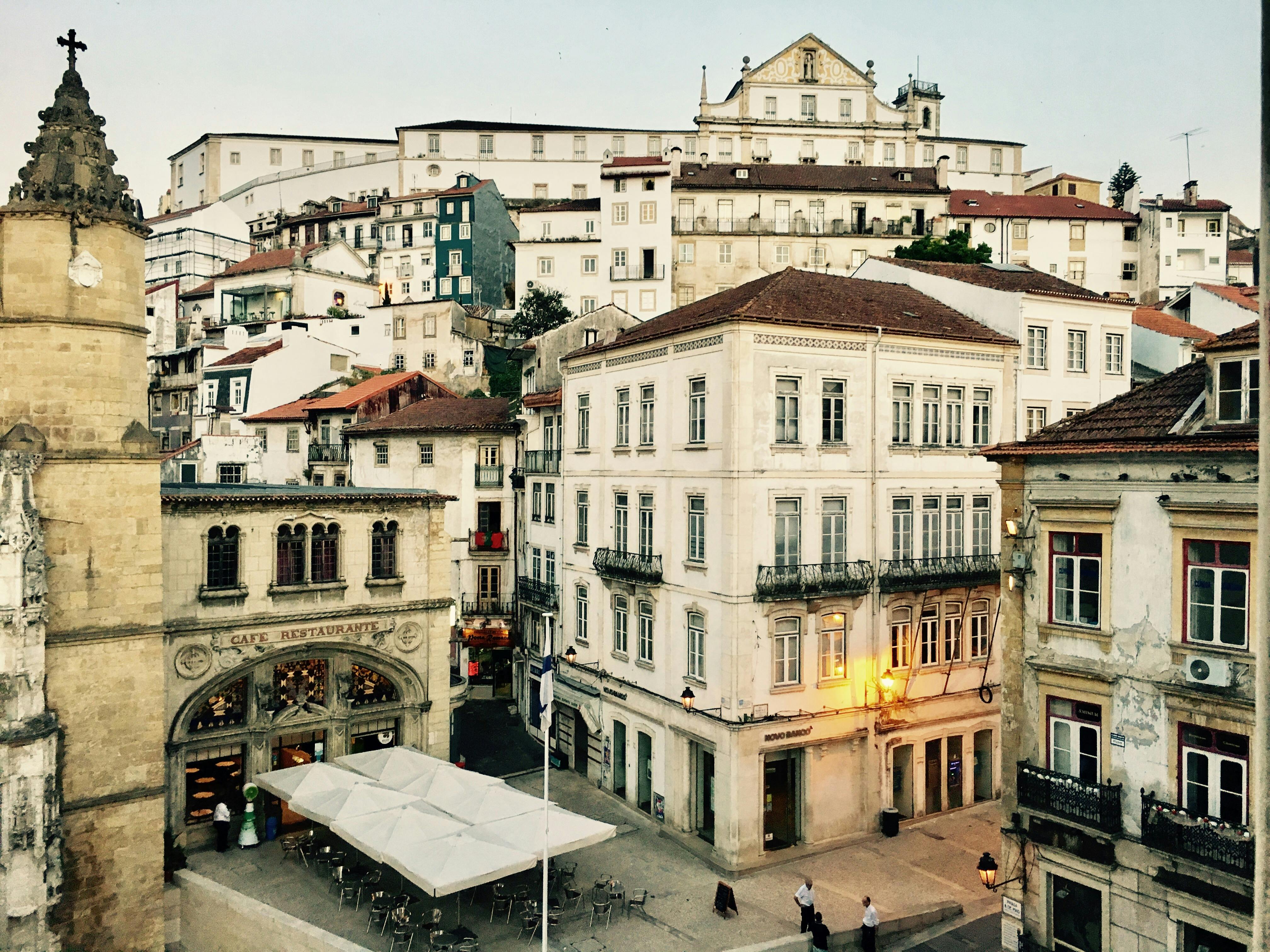
If there's one city in Central Portugal that every visitor should experience, it's Coimbra. Perched above the Rio Mondego, this ancient city has a rare quality: it feels both living and historical at the same time. Students in long black capes walk past 12th-century cathedrals on their way to lectures. Fado music drifts out of stone-walled bars at night. And the Joanina Library — part of the UNESCO-listed University of Coimbra campus — is simply one of the most jaw-droppingly beautiful rooms in the world, with gilded bookshelves rising three stories and housing over 200,000 volumes dating back to the 1500s.
Fun fact: J.K. Rowling lived in Oporto in the early 1990s and spent time in Coimbra. Many believe she drew direct inspiration from the university's black-caped students for the Hogwarts uniforms in Harry Potter. The similarities are hard to ignore.
Coimbra Fado is also distinct from Lisbon's version — it's traditionally sung only by male students, is more melancholic and poetic in tone, and carries the weight of academic nostalgia. Catch it live at places like À Capella or Casa de Fado Hilário for something genuinely unforgettable.
Don't miss: the Joanina Library, the Old Cathedral (Sé Velha), the Roman ruins of Conimbriga (30 minutes south), the Quinta das Lágrimas — a romantic garden where a real medieval love story between Prince Pedro and Inês de Castro is said to have unfolded — and if you're traveling with little ones, Portugal dos Pequenitos. This charming open-air theme park near the river features miniature replicas of Portugal's most famous monuments and traditional regional houses, scaled down to kid height. It's genuinely delightful, educational without feeling like school, and one of those rare places that manages to enchant both children and adults equally.
We spent two days exploring Coimbra with our family and put together a full video of the experience — watch it below to get a feel for what the city is really like before you go:
🎬 Watch: Two Days in Coimbra with Our Family
Aveiro — Portugal's Very Own Venice
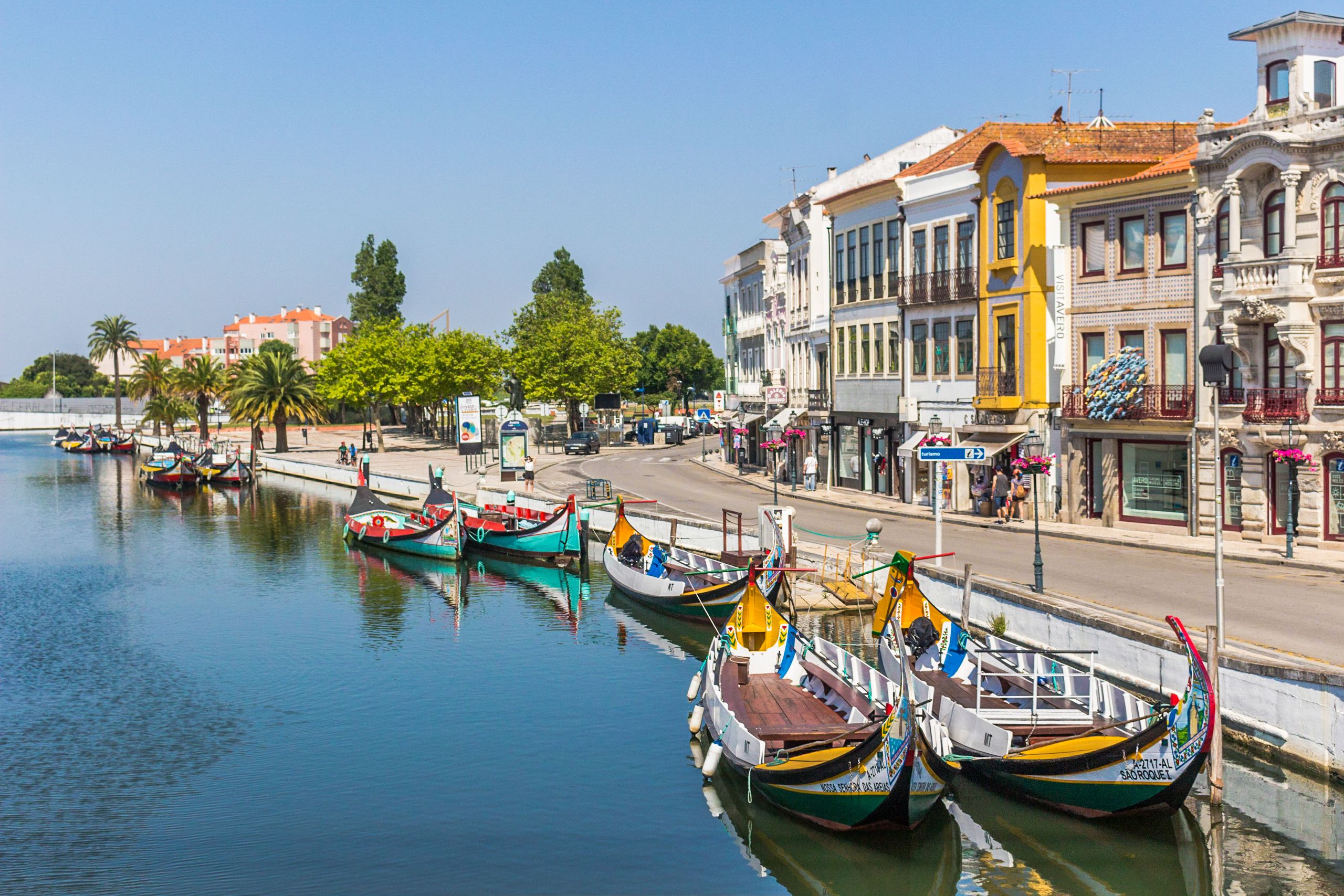
Aveiro sits on the edge of the Ria de Aveiro — a vast lagoon connected by a network of canals — and it's one of those towns that makes you stop and say "wait, why doesn't everyone know about this?" Colorful moliceiro boats (think gondolas, but with more personality and painted with cheeky local scenes) glide through the canals past Art Nouveau buildings painted in pastel blues and yellows.
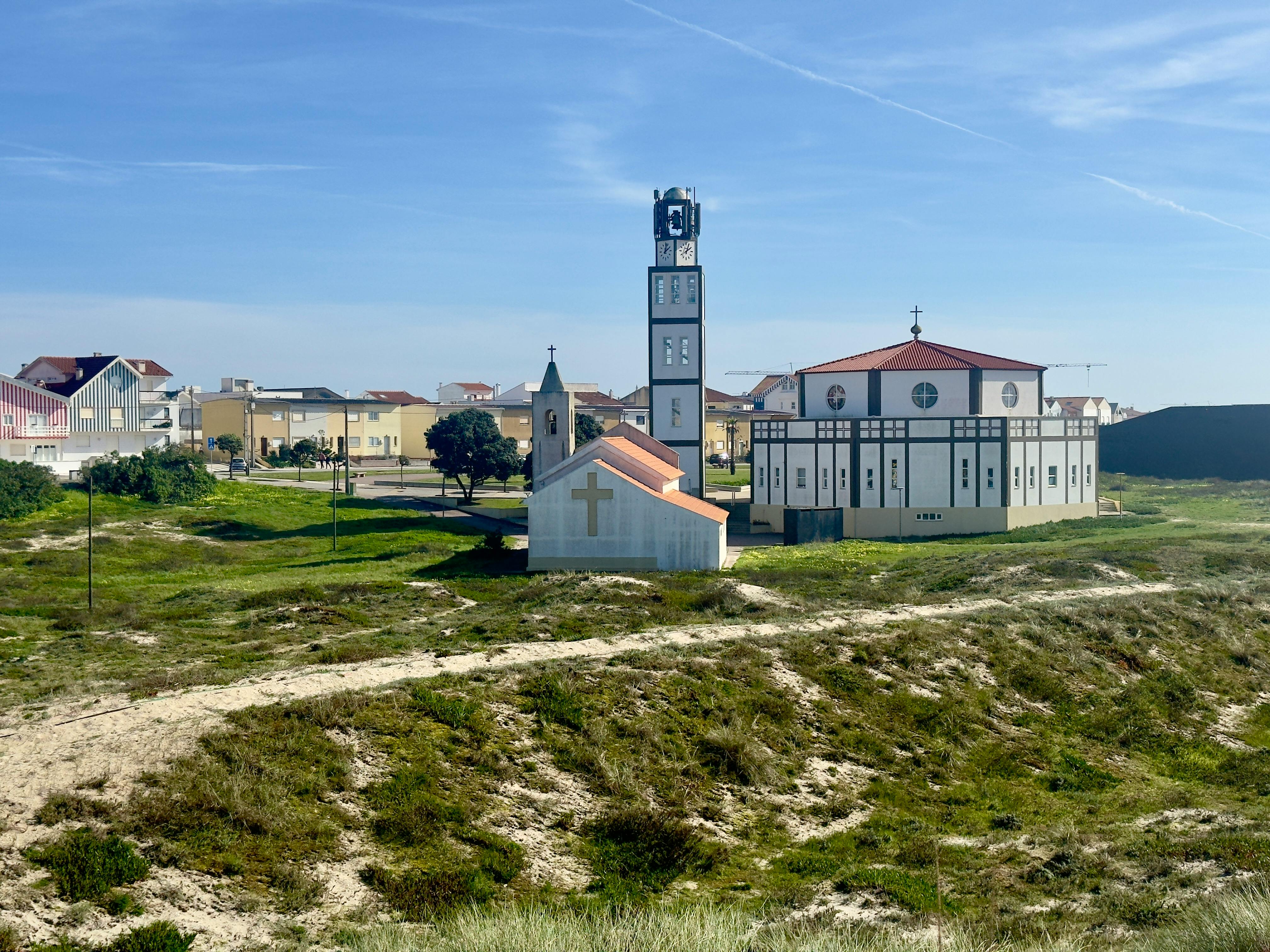
The city's signature treat is Ovos Moles — delicate egg-yolk sweets wrapped in thin rice-paper shells shaped like fish, shells, and barrels. It's a sugar-rush you'll talk about for weeks. While you're at it, take the short drive to Costa Nova for the iconic striped fishermen's houses — easily one of Portugal's most photographed streetscapes.
Viseu — The Underrated Gem
Viseu consistently ranks as one of Portugal's highest quality-of-life cities, and once you spend a day there, you'll understand why. It sits beautifully among rolling hills and vineyards, with a cathedral that features stunning Manueline and Renaissance architecture, and a historic center that's wonderfully walkable. It's also the gateway to the Dão wine region — one of Portugal's finest — and surrounded by some truly excellent restaurants.

Leiria, Castelo Branco & Guarda
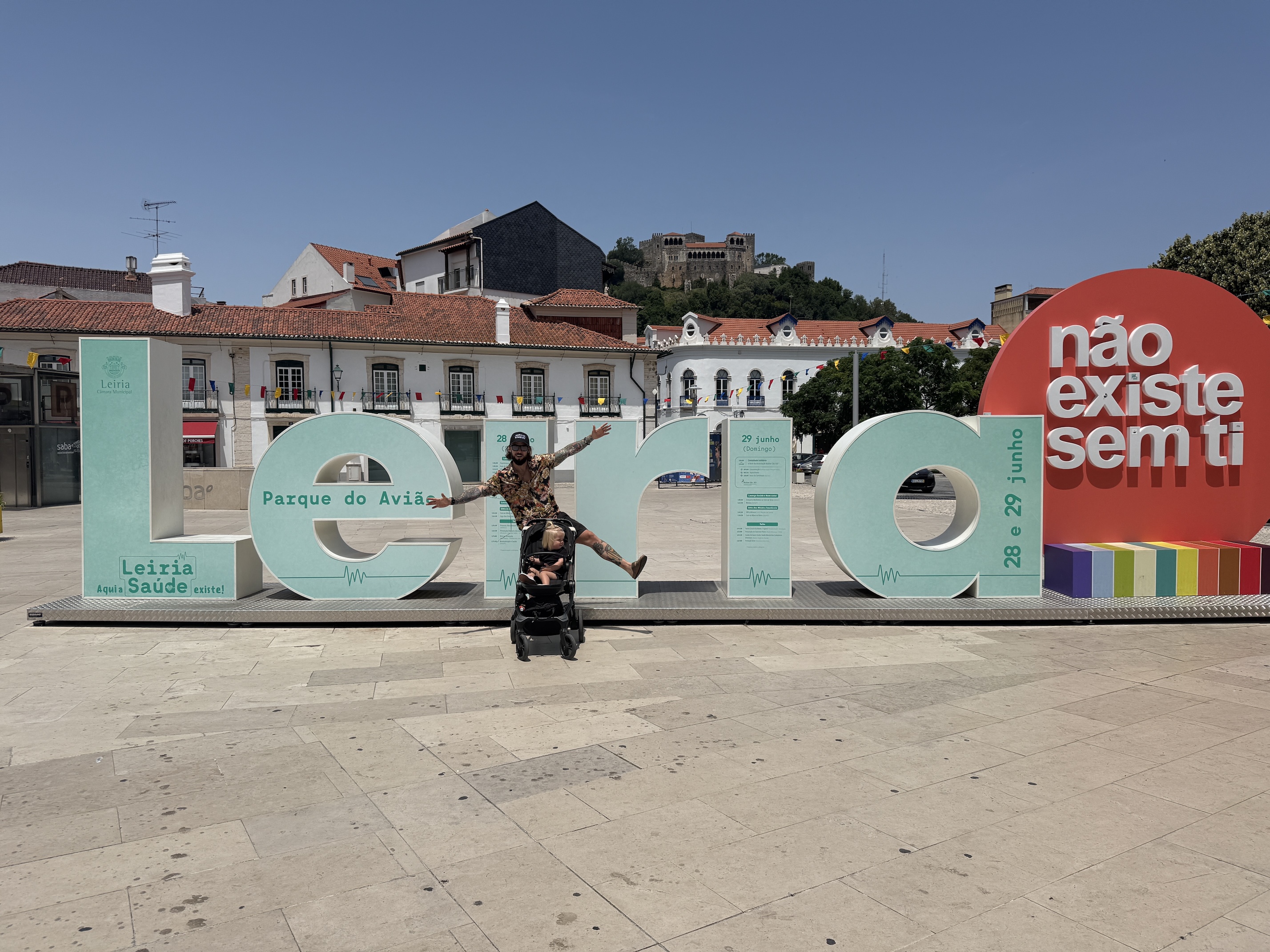
These three inland cities are often skipped by travelers rushing through on the motorway, but each has something worth stopping for. Leiria has a dramatically photogenic hilltop castle with sweeping views. Castelo Branco's Bishop's Palace gardens — a Baroque masterpiece with sculpted hedges and five ornamental lakes — are jaw-droppingly beautiful and almost completely unknown outside Portugal. And Guarda, the highest city in Portugal (1,056m above sea level), has a cathedral that took 150 years to build and a well-preserved medieval quarter.
The Must-See Landmarks
The Sanctuary of Fátima
Whether or not you're religious, Fátima is a place that stops you in your tracks. It's one of the most visited Catholic pilgrimage sites in the world — drawing around six million visitors a year — and the scale and atmosphere of the site is genuinely moving, regardless of your beliefs. The vast esplanade (larger than St. Peter's Square in Rome), the twin Basilicas, and the Chapel of the Apparitions all create something unlike anywhere else in Portugal. If you can time your visit for May 12-13 or October 12-13, the candlelit processions are truly extraordinary.
Óbidos — A Medieval Town Frozen in Time
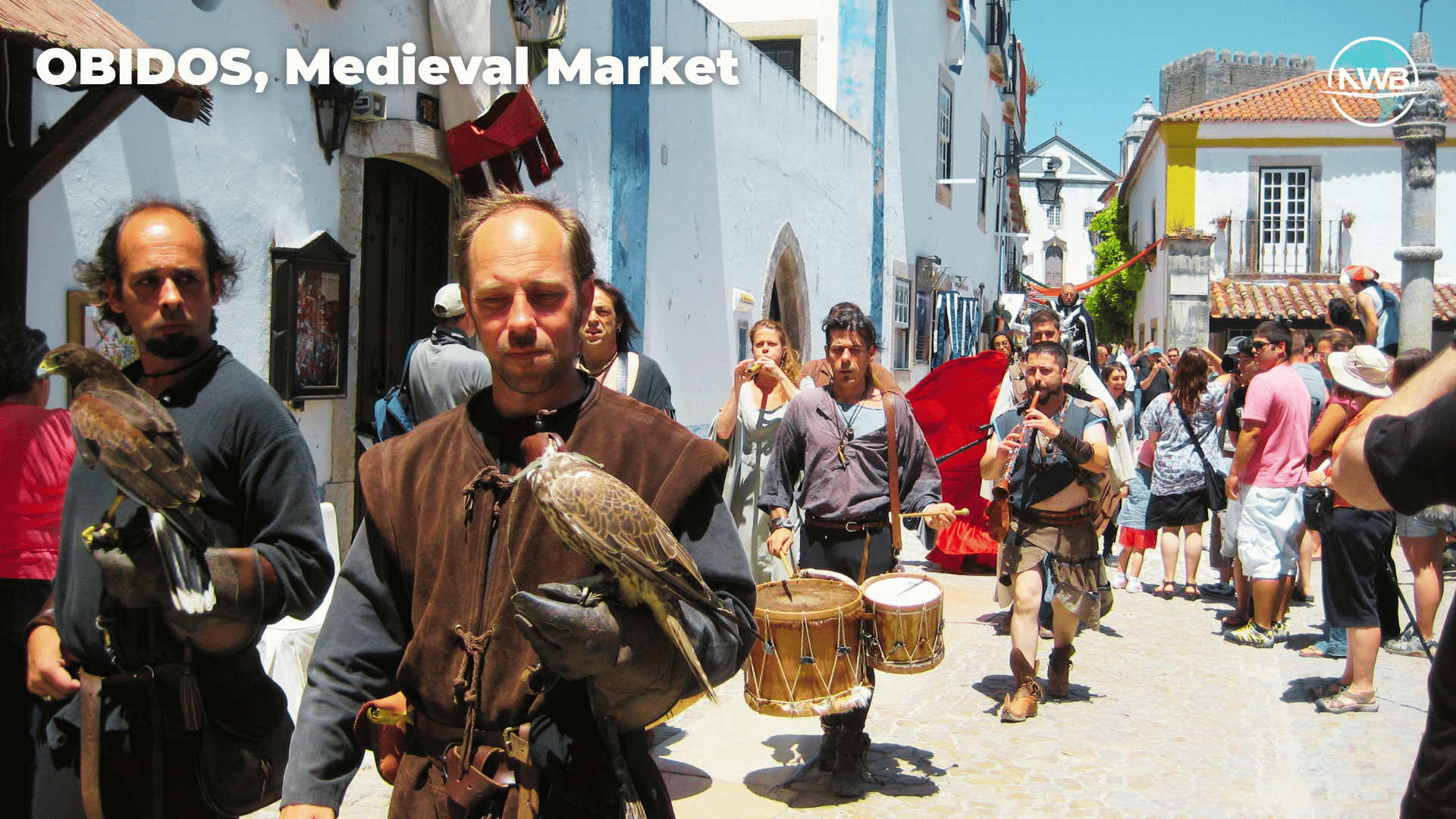
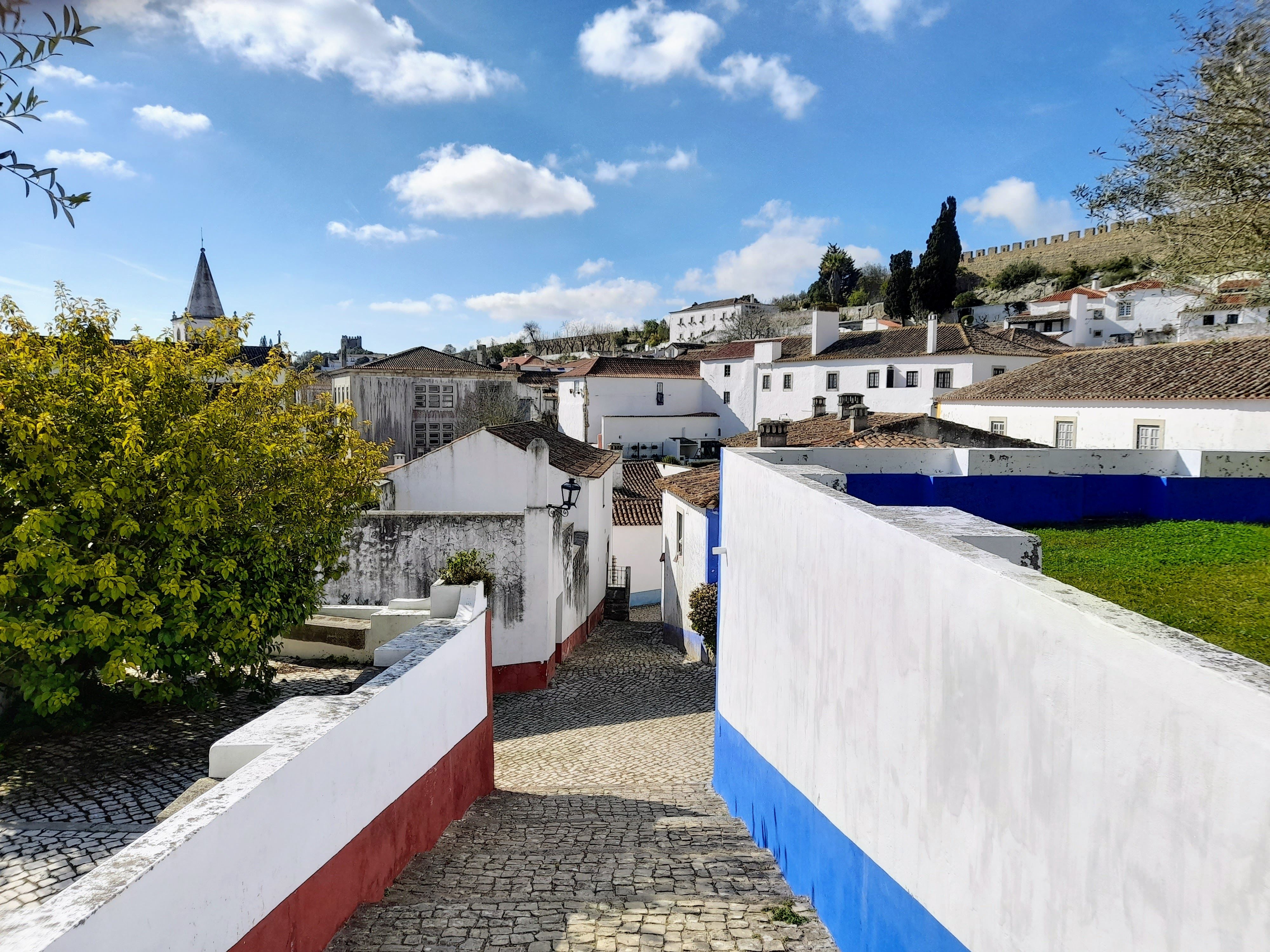
Óbidos might just be Portugal's prettiest village. The entire town is encircled by intact medieval walls that you can walk along for panoramic views. Inside, cobblestoned lanes wind between whitewashed houses dripping in bougainvillea, past tiny cafes and craft shops. Don't leave without trying Ginjinha d'Óbidos — the local cherry liqueur, traditionally served in an edible chocolate cup. It sounds gimmicky. It tastes extraordinary. The town also hosts one of Portugal's best medieval markets in summer and a beloved chocolate festival in spring — both brilliant for families.
The Convent of Christ, Tomar
This is, without question, one of Portugal's most spectacular historic sites. The Convento de Cristo was the headquarters of the Knights Templar in Portugal — a fortress-monastery perched above the town of Tomar that served as a base for some of the most powerful military monks in history. The Round Church (Charola) is modeled on the Church of the Holy Sepulchre in Jerusalem, and the extraordinary Manueline Window — a riot of carved ropes, coral, armillary spheres, and maritime symbols — is considered one of the greatest expressions of Manueline art in the world. Don't rush this one. Give yourself at least a half-day.
Batalha & Alcobaça Monasteries
Two more UNESCO World Heritage Sites that most visitors don't make it to. The Batalha Monastery was built to celebrate Portugal's victory over the Castilians at the Battle of Aljubarrota in 1385 — the battle that cemented Portugal's independence from Spain. It's a Gothic and Manueline masterpiece, with an octagonal chapter house that involved some seriously creative 15th-century engineering. The Alcobaça Monastery, just 20 minutes away, is over 900 years old and houses the beautifully carved tombs of King Pedro I and his ill-fated love, Inês de Castro. It's a UNESCO site and one of the finest examples of Cistercian Gothic architecture in the world.
Monsanto — Where a Village Grew Among the Boulders
Once voted "the most Portuguese village in Portugal," Monsanto is unlike anywhere else in the world. The village was built directly among giant granite boulders — houses are wedged between rocks, built over them, and in some cases the boulders actually serve as the roofs. Walking its steep streets feels like exploring a real-life Flintstones set, but ancient and genuinely atmospheric. The short hike to the ruined Templar castle at the top offers incredible views across the plains toward Spain. It's far from everything — which is precisely the point.

Nature & Outdoor Adventures
Serra da Estrela: Portugal's Mountain Backbone
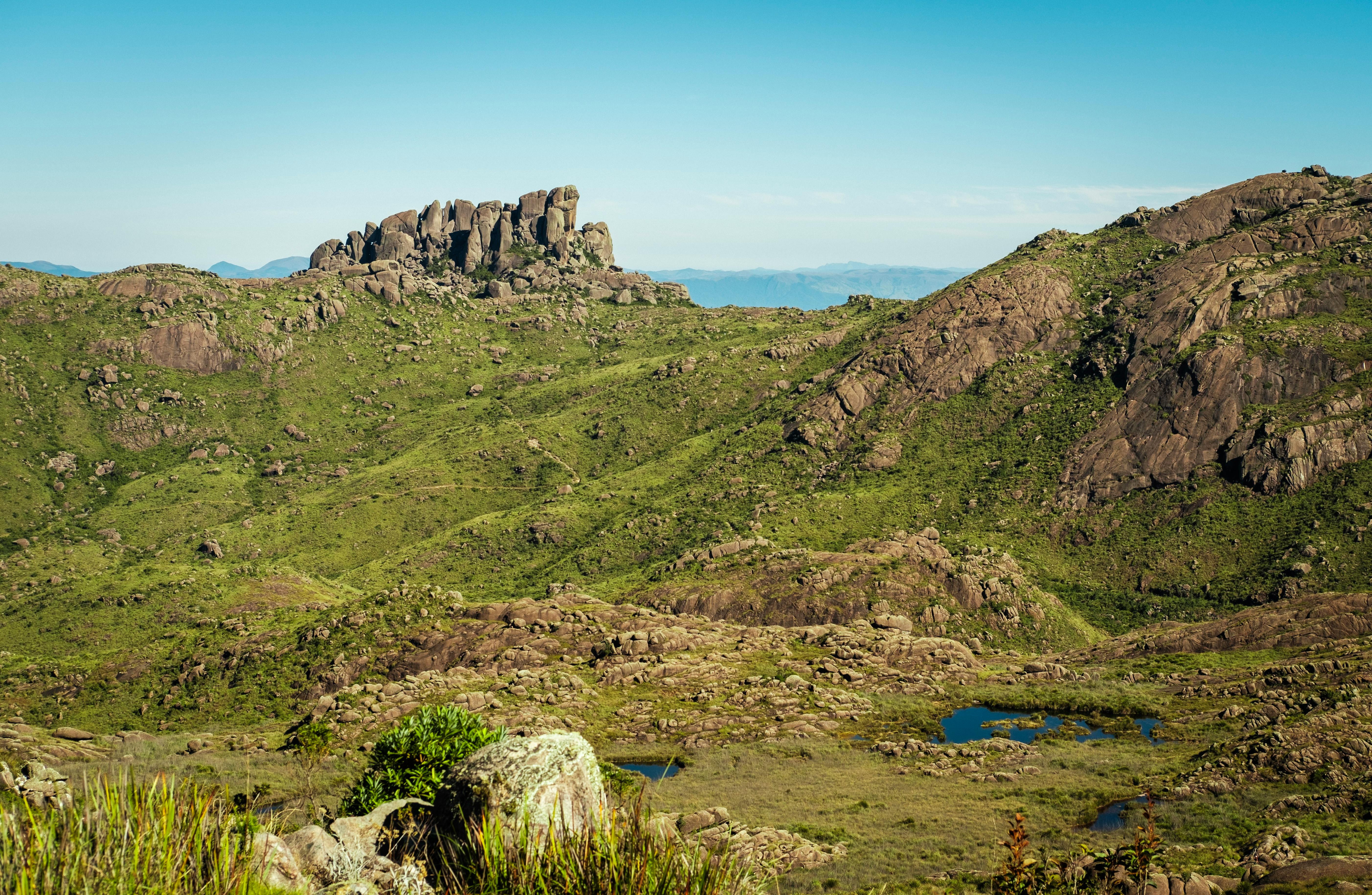
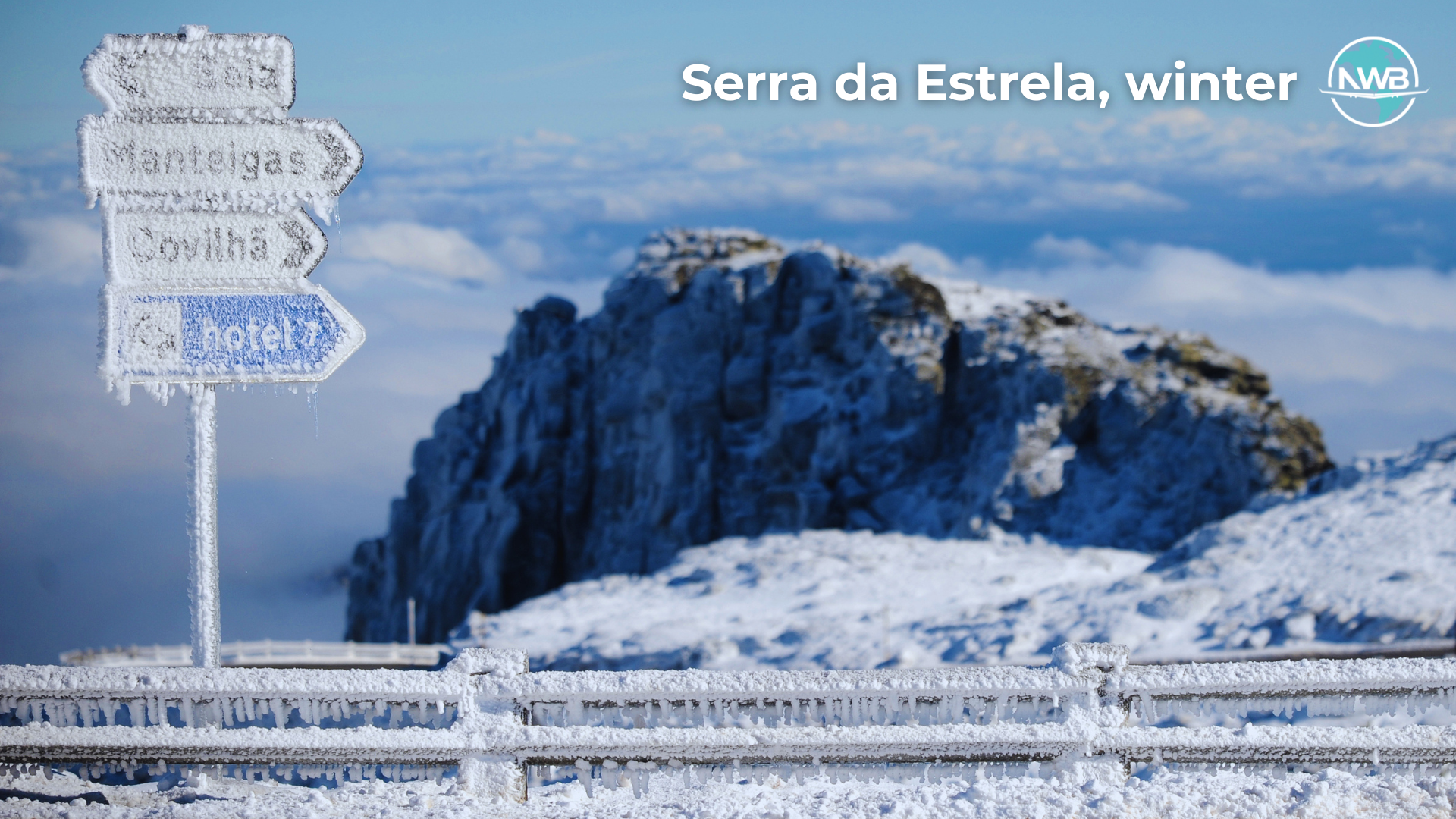
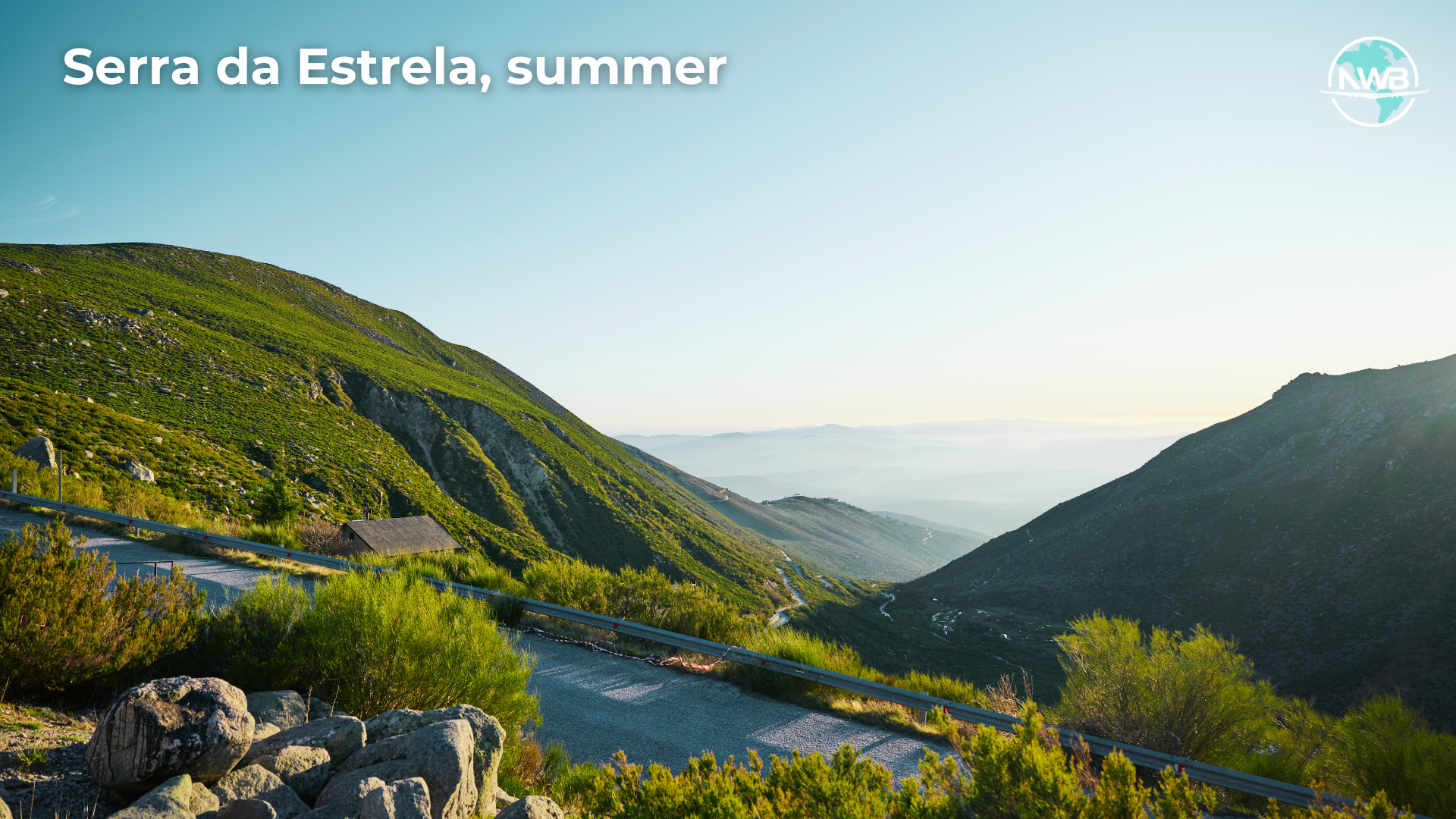
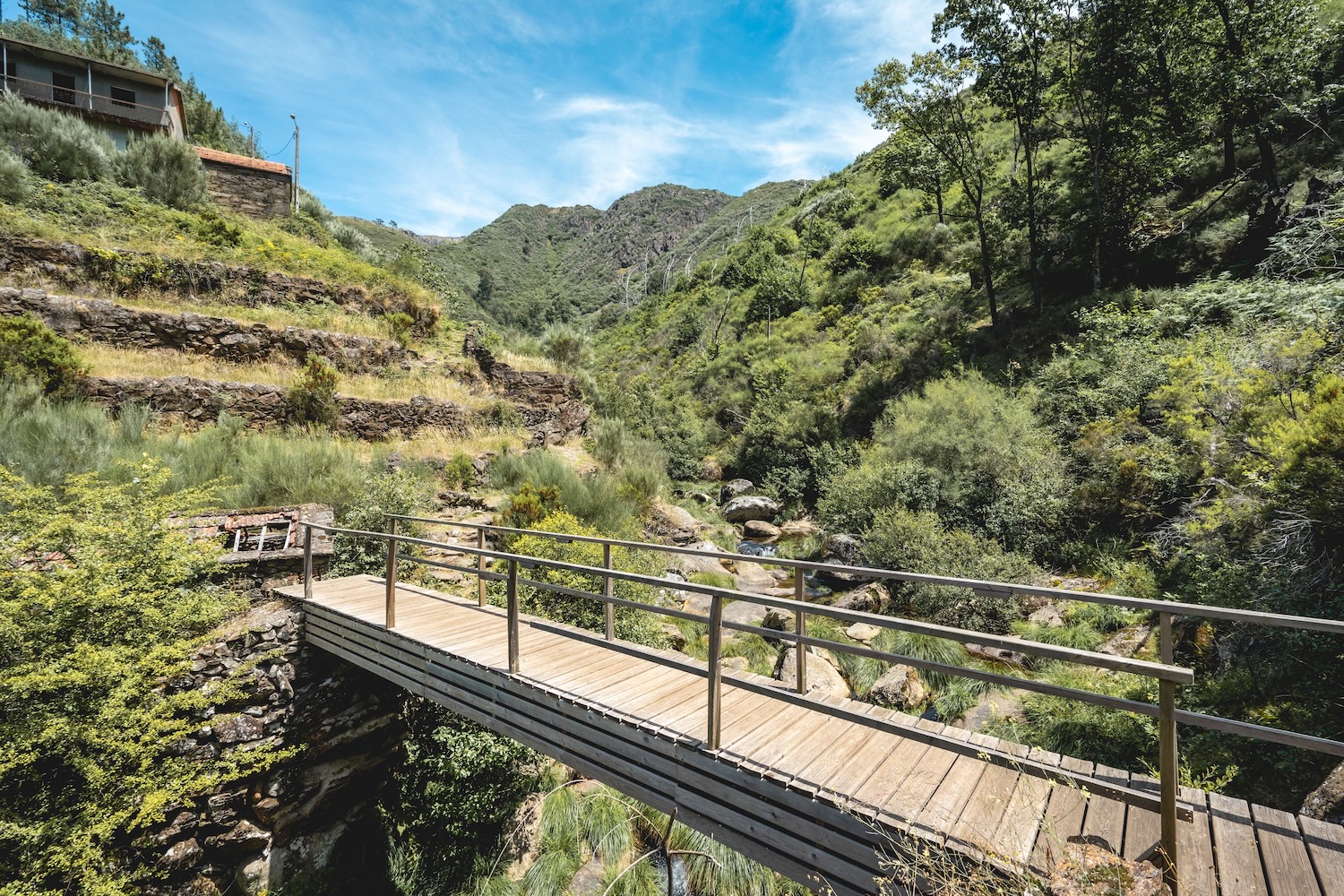
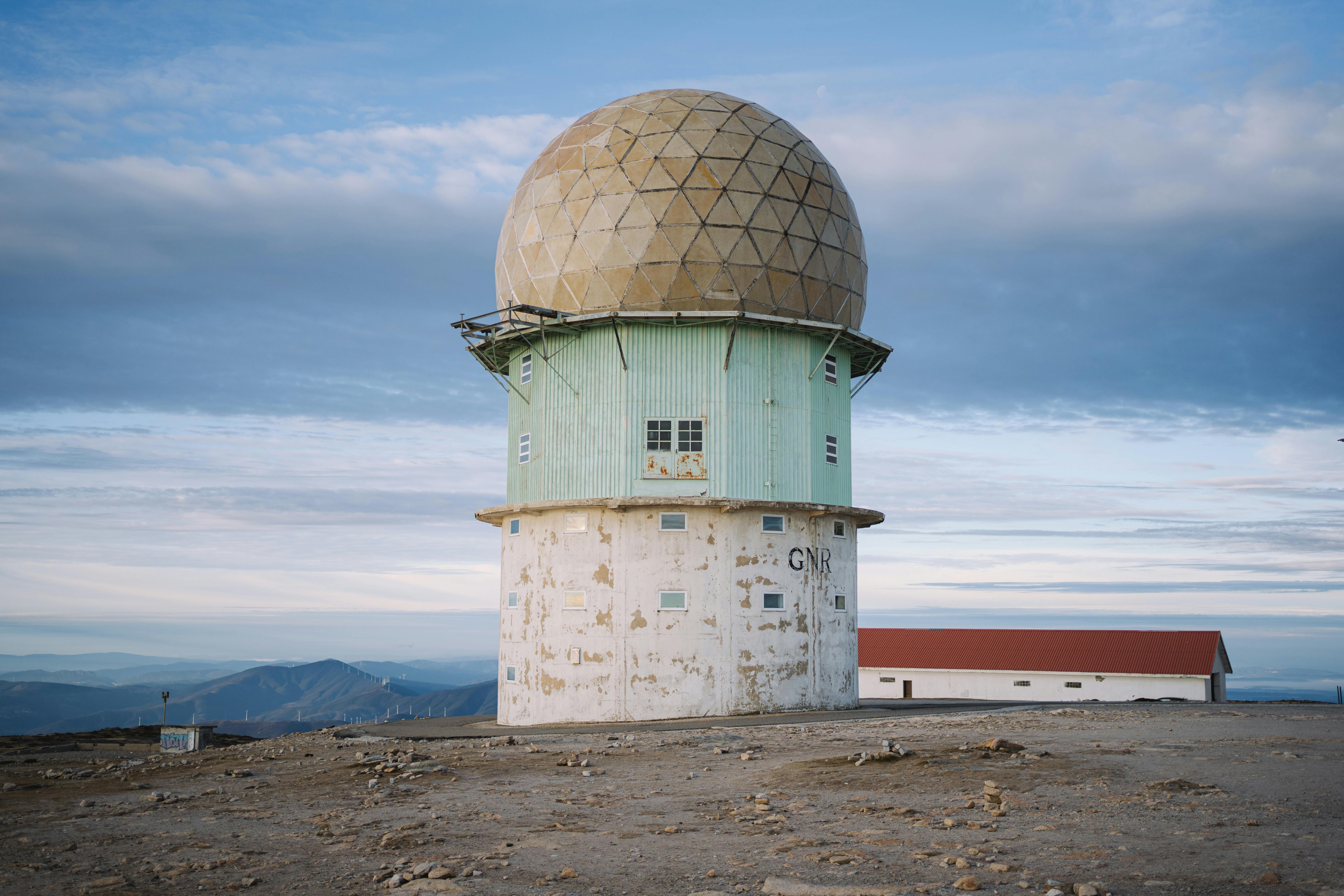
The Serra da Estrela is the highest mountain range in mainland Portugal, topped by Torre at 1,993 meters. In winter, it's the only place in Portugal where you can ski — a surreal fact for a country most people associate with sunshine and beaches. In summer, it's a hiker's paradise, with trails through glacial valleys, crystal-clear lagoons (the Lagoa Comprida is the most famous), and meadows dotted with wildflowers.
The region is also home to the Aldeias Históricas de Portugal — twelve historic villages that form a loose network of some of the most beautiful and authentic settlements in the country. Piódão (a mountain village of schist houses that seems to cling to the cliff), Sortelha (a medieval hilltop town still surrounded by its original walls), and Belmonte (the town with the extraordinary Jewish history mentioned above) are highlights. A road trip through the Aldeias Históricas is one of the great drives in all of Europe.
Oh — and the region's star product: Queijo Serra da Estrela, a creamy, semi-soft cheese made from sheep's milk and eaten with a spoon. It's one of Portugal's most prized culinary exports and tastes best when you eat it within sight of the mountains it comes from.
The Silver Coast: Surf, Sand & Atlantic Drama
The stretch of coastline between Lisbon and Aveiro is known as the Costa de Prata — the Silver Coast — named for the way the Atlantic light hits the water. This is surfer's paradise territory: long, exposed beaches with consistent Atlantic swells and a culture of surf schools, hostels, and salt-kissed restaurants.
Nazaré is the big name here — and with good reason. In 2011, big-wave surfer Garrett McNamara rode a wave here that was later measured at 24.38 meters (just over 78 feet), breaking the world record. The wave at Praia do Norte is caused by a unique underwater canyon just offshore, which funnels and amplifies Atlantic swells into something genuinely terrifying and spectacular. The surfing competitions held here in winter (November through March, weather dependent) are free to watch from the clifftop and absolutely breathtaking.
Beyond the waves, Nazaré has a wonderful traditional fishing culture — look out for the older women still wearing the traditional seven-layered skirts, a tradition that dates back centuries. Peniche (a surf hub with access to the stunning Berlengas Islands — a protected nature reserve 12km offshore with a fortress, diving, and rock-sculpted coastline) and Ericeira (one of only a handful of World Surfing Reserves on the planet) round out the coast's big hitters.

Food & Drink in Central Portugal
If you travel to eat (and honestly, who doesn't?), Central Portugal deserves a spot near the top of your European food bucket list.
Leitão da Bairrada is the region's most famous dish — suckling pig, slow-roasted to crispy-skinned perfection in wood-fired ovens. The town of Mealhada on the A1 motorway is practically a leitão pilgrimage site; restaurants here have been perfecting the art for generations. Pair it with a glass of Baga wine from the Bairrada region — a full-bodied red with dense tannins and a character as distinctive as the dish itself.
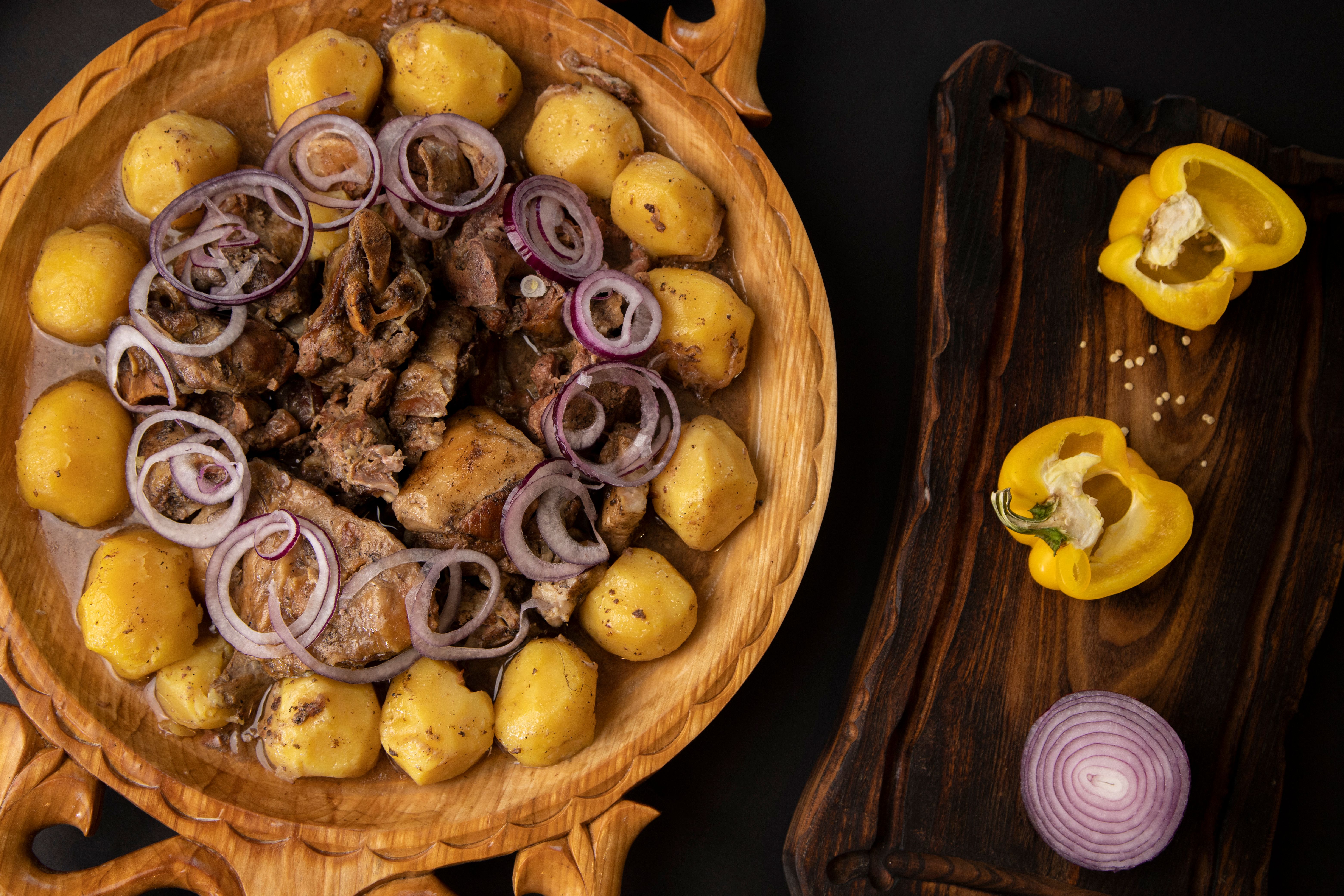
Chanfana is the other Central Portuguese classic you need to know: a hearty slow-cooked stew of old goat meat, braised in red wine with garlic, bay leaves, and paprika, cooked low and slow in a clay pot. It was traditionally a way of making tough old goat meat tender and delicious, and the result is deeply comforting. The town of Miranda do Corvo even claims the title of "Chanfana Capital." We choose this every time we're in Central Portugal, it's sooo good!
Then there's Bacalhau à Lagareiro — oven-roasted salt cod bathed in olive oil with crushed potatoes, a dish that perfectly illustrates the Portuguese genius for making simple ingredients taste extraordinary. Fatias de Tomar are sweet sugar-soaked slices of a cake unique to Tomar. Ovos Moles from Aveiro we've already mentioned, but they bear repeating. And Ginjinha de Óbidos — in its chocolate cup — is a travel experience unto itself.
For wine, look beyond the Bairrada to the Dão region near Viseu, which produces some of Portugal's most elegant and age-worthy reds from the Touriga Nacional grape. Wine tourism here is still beautifully low-key — no crowds, just beautiful quintas and very good lunches.
Culture & Local Traditions
Coimbra Fado is one of the great musical traditions of Portugal — and it's distinct enough from Lisbon's version that it's almost its own art form. Traditionally performed by male university students in black academic capes, it's melancholic, romantic, and deeply poetic. The Queima das Fitas festival in May — where students burn their faculty ribbons at the end of the academic year — is one of Portugal's best parties, filling Coimbra's streets with music, color, and celebration for an entire week.
In Tomar, the Festa dos Tabuleiros is held every four years and is one of Portugal's most spectacular festivals. Young women parade through town balancing towering trays (tabuleiros) of bread and flowers on their heads — some up to two meters tall. The origins are possibly linked to the cult of the Holy Spirit, and the procession is strikingly beautiful.
Óbidos Medieval Market (July) transforms the already-photogenic town into a full medieval experience, with jousting, period food, costumed characters, and artisan stalls filling the streets inside the castle walls. It's a brilliant day out for kids and adults alike.
Weather & Best Time to Visit
Central Portugal hits a sweet spot climatically — warmer and sunnier than the north, but without the searing summer heat of the Alentejo or Algarve interior.
Spring (March–May) is arguably the best all-around time to visit. The wildflowers are out in force, the Serra da Estrela still has snow on the peaks but the valleys are warm, and the crowds haven't arrived yet. Temperatures hover between 15–22°C — ideal for hiking, driving, and sightseeing. April is particularly magical.
Summer (June–August) is hot and busy — especially on the Silver Coast beaches and in Óbidos and Fátima. Expect 25–35°C inland, slightly cooler on the coast. If you're here in summer, head to Serra da Estrela for natural freshness, or book the coast early. It's absolutely gorgeous, just busier.
Autumn (September–October) is our personal favourite. The light turns golden, the wine harvest is in full swing in Bairrada and Dão, the weather is still warm and settled, and the tourists have largely gone. It's also when the big-wave season at Nazaré starts building — you might catch early-season swells before the main competition crowds arrive.
Winter (November–February) is rainy but never truly cold on the coast. November is the wettest month. Serra da Estrela gets snow and the ski season opens (usually December–March, conditions permitting). And Nazaré in winter, watching 20-meter waves crash while wrapped in a jacket and drinking a bica (espresso), is a genuinely magical experience.
7 Fun Facts About Central Portugal
- The world's biggest wave ever surfed was here. Garrett McNamara's 2011 record at Nazaré measured 24.38 meters. Rodrigo Koxa broke that record again in 2017 at the same spot — also in Nazaré — with a 24.38m wave officially recognized in 2018.
- Harry Potter's robes may have been inspired here. J.K. Rowling lived in Portugal from 1991–1993, and Coimbra's university students still wear long black academic capes — a tradition dating back centuries. The resemblance to Hogwarts uniforms is uncanny.
- Belmonte's Jewish community practiced their faith in secret for nearly 500 years. Hidden behind Catholic faces, they maintained Hebrew prayers and traditions from the 16th century until the 20th. It's one of the most remarkable stories of cultural survival in history.
- The Joanina Library in Coimbra has a secret bat colony. At night, bats hunt the insects that would otherwise damage the 300-year-old books. The library staff cover the antique tables with leather sheets every evening before the bats emerge. This is genuine, documented library management, not a fairy tale.
- Tomar has one of the world's largest matchbox collections. The Museu dos Fósforos holds over 43,000 matchboxes from around the world. It's wonderfully, gloriously odd.
- Conimbriga was one of the most important Roman cities on the Iberian Peninsula — and its ruins are better preserved than many in Italy. The mosaic floors rival anything in Pompeii, yet most people drive straight past.
- Serra da Estrela is the only place in mainland Portugal where it snows regularly. For a country famous for sunshine, this comes as a genuine surprise to many visitors — and the sight of snow-covered mountains above the green valleys below is absolutely stunning.
Central Portugal for Families
Traveling with kids? Central Portugal is fantastic family territory. The variety of experiences means you're never stuck doing the same thing two days in a row — and Portuguese culture is extremely family-welcoming, with families with children often getting priority in restaurants, museums, and public places.
Kids typically love: the medieval drama of Óbidos and Monsanto (castles!), watching giant waves at Nazaré from the safety of the clifftop, the boat rides in Aveiro, hiking in Serra da Estrela (or snowball fights in winter), the Roman ruins at Conimbriga — which somehow makes history feel alive in a way that a museum never quite does — and Portugal dos Pequenitos in Coimbra, a wonderful open-air park of miniature Portuguese monuments and houses that children absolutely go wild for.
We've found that the region is also very manageable by car with young children — distances between major stops are reasonable, and there's always a café with a pastel de nata waiting at the end of the drive. Check out our 101+ Travel tips we wish we knew when traveling to Portugal.
Getting Around Central Portugal
The honest answer: rent a car. Public transport exists — there are train connections to Coimbra, Aveiro, Figueira da Foz, and the coastal towns — but to truly explore Central Portugal, especially the Aldeias Históricas, Serra da Estrela, Tomar, and Monsanto, a car is essential. Distances are manageable, roads are generally excellent, and parking is rarely a problem outside of city centers.
Fly into Lisbon (the most common option) or Porto — Central Portugal sits almost exactly between the two. From Lisbon, Coimbra is 2 hours, Fátima 1.5 hours, and Óbidos about 1 hour. From Porto, Coimbra is about 1 hour by train or car.
The motorway network (A1 between Lisbon and Porto, and the A23 heading east toward Castelo Branco) makes it easy to cover ground efficiently. But the most memorable driving is always on the smaller N-roads — winding through villages, cork forests, and vineyards where Google Maps occasionally gives up and you just go with your gut.
Practical Tips Before You Go
- Language: Portuguese is spoken everywhere — English is common in tourist areas and among younger people, less so in smaller villages. Learning "obrigado/a" (thank you), "por favor" (please), and "uma bica, se faz favor" (a coffee, please) will win you enormous goodwill.
- Currency: Euro. Most places take cards, but carry cash for smaller villages, markets, and those roadside bakeries that are too charming not to stop at.
- Driving: Toll roads (via verde system) are common. If renting a car, ask about the Via Verde tag — it makes toll roads seamless and saves fumbling for change.
- Reservations: Fátima and Óbidos can be very busy in summer. For the big UNESCO sites (Convento de Cristo, Alcobaça, Batalha), arrive early or book tickets in advance.
- Eat late: The Portuguese do. Lunch is from 1–3pm; dinner rarely before 8pm. Embrace the rhythm — the food tastes better for it.
Frequently Asked Questions About Central Portugal
What is Central Portugal known for?
Central Portugal is known for the Sanctuary of Fátima (one of the world's major Catholic pilgrimage sites), the UNESCO-listed University of Coimbra, the medieval walled town of Óbidos, the world-record big waves at Nazaré, the Serra da Estrela mountains (mainland Portugal's highest range), and the Templar heritage of Tomar.
How many days do you need for Central Portugal?
You could see highlights in 4–5 days, but a week to ten days lets you explore properly without rushing. Split your time between the coast (Nazaré, Óbidos, Peniche), the cultural cities (Coimbra, Tomar, Fátima), and the interior (Serra da Estrela, Aldeias Históricas).
Is Central Portugal worth visiting?
Absolutely — and in some ways it's more rewarding than Lisbon or the Algarve, precisely because it's less visited. You get genuine Portuguese culture, incredible food, remarkable history, and stunning landscapes without fighting for space with tour groups.
What is the best base in Central Portugal?
Coimbra makes an excellent base — central, well-connected, full of character, and within 1–2 hours of most major attractions. Alternatively, Leiria sits nearly equidistant from Batalha, Nazaré, Fátima, and Óbidos, making it ideal for a highlights tour. We spend a weekend there and made a video about our experience. You can watch it here!
When is the best time to visit Central Portugal?
Spring (March–May) for wildflowers, mild temperatures, and low crowds. Autumn (September–October) for the golden light, harvest season, and the beginning of the big-wave season at Nazaré. Summer for beaches. Winter for Serra da Estrela snow and dramatic Nazaré waves.
Is Central Portugal family-friendly?
Very much so. Portugal is one of the most family-friendly destinations in Europe, and Central Portugal offers an incredible variety of experiences for kids and adults — medieval castles, Roman ruins, giant waves to watch, mountain hikes, and boat rides through canal cities.
Central Portugal is the part of Portugal that gets into your blood. It's not showy about it — it doesn't need to be. The history is real, the food is extraordinary, the landscapes shift from Atlantic coast to mountain wilderness within an hour's drive, and the people carry a warmth and generosity that makes you feel genuinely welcome.
Come with curiosity. Leave with a full stomach, a phone full of photos, and probably a serious life decision to revisit.