
Most people who visit the Algarve never make it to Aljezur. They stay in Albufeira, maybe drive to Lagos, possibly squeeze in Sagres — and then fly home having had a great trip but missed something genuinely special.
Aljezur sits on Portugal's wild western coast, tucked within the Southwest Alentejo and Vicentine Coast Natural Park, where development is tightly controlled and the landscape looks the way Portugal must have looked a hundred years ago. Rugged cliffs, deserted beaches, surf rolling in off the open Atlantic, a 10th-century Moorish castle on a hill, a river running through a town split in two by an 18th-century earthquake — and a sweet potato so extraordinary it has its own protected designation of origin and its own annual festival that draws 40,000 people.
Yes, really. We'll get to the sweet potato.
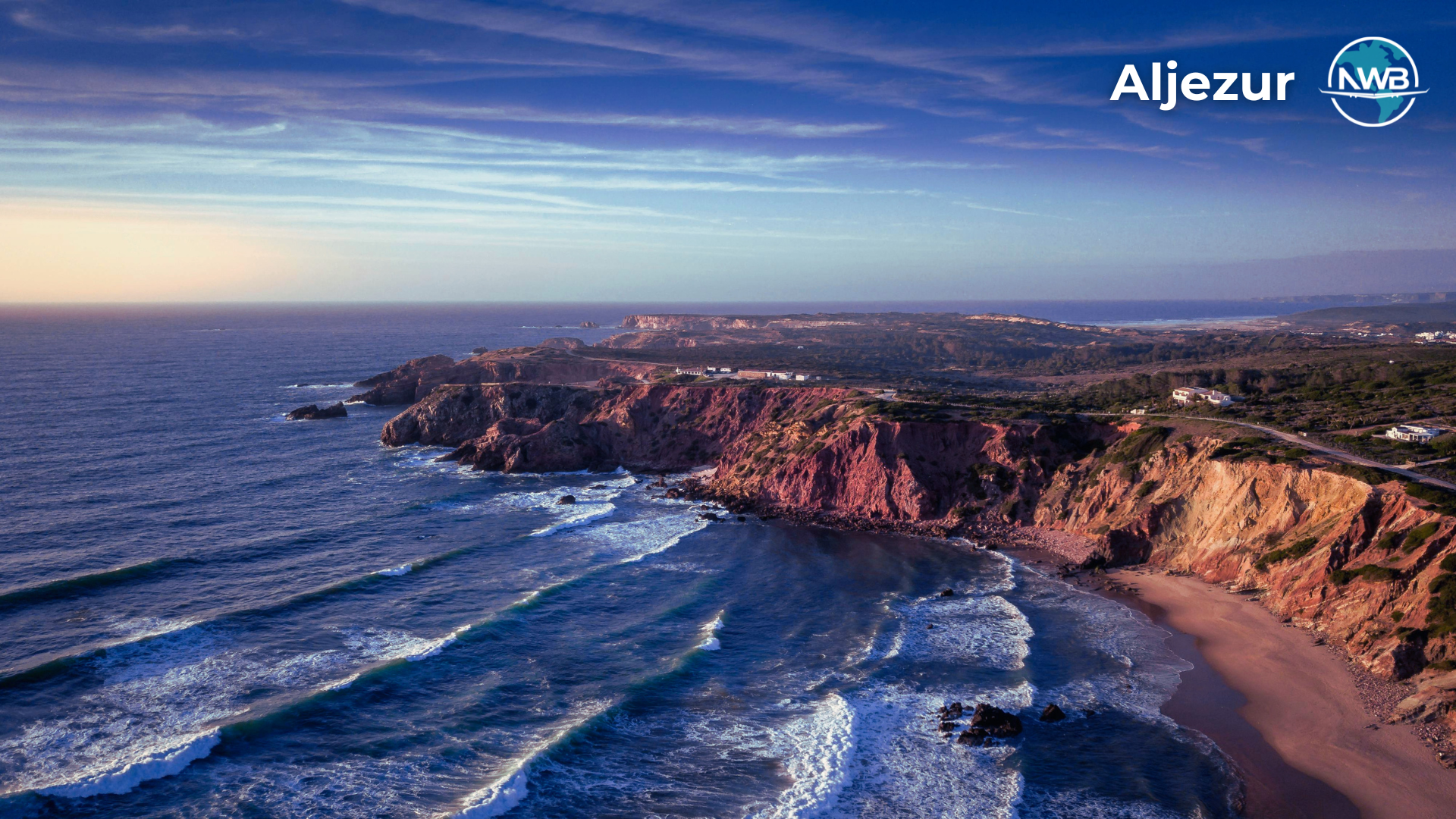
A quick note on geography: Aljezur is technically in the Algarve administrative region, but it feels more like the Alentejo — wild, spacious, unhurried. It sits within the Vicentine Coast Natural Park that spans both regions, which is why it often gets lumped with the "Alentejo coast" crowd. Either way, it's unlike anywhere else in southern Portugal, and that's entirely the point.
A Town With Two Personalities
One of the first things you notice about Aljezur is that it seems to be two different towns. That's because it basically is.
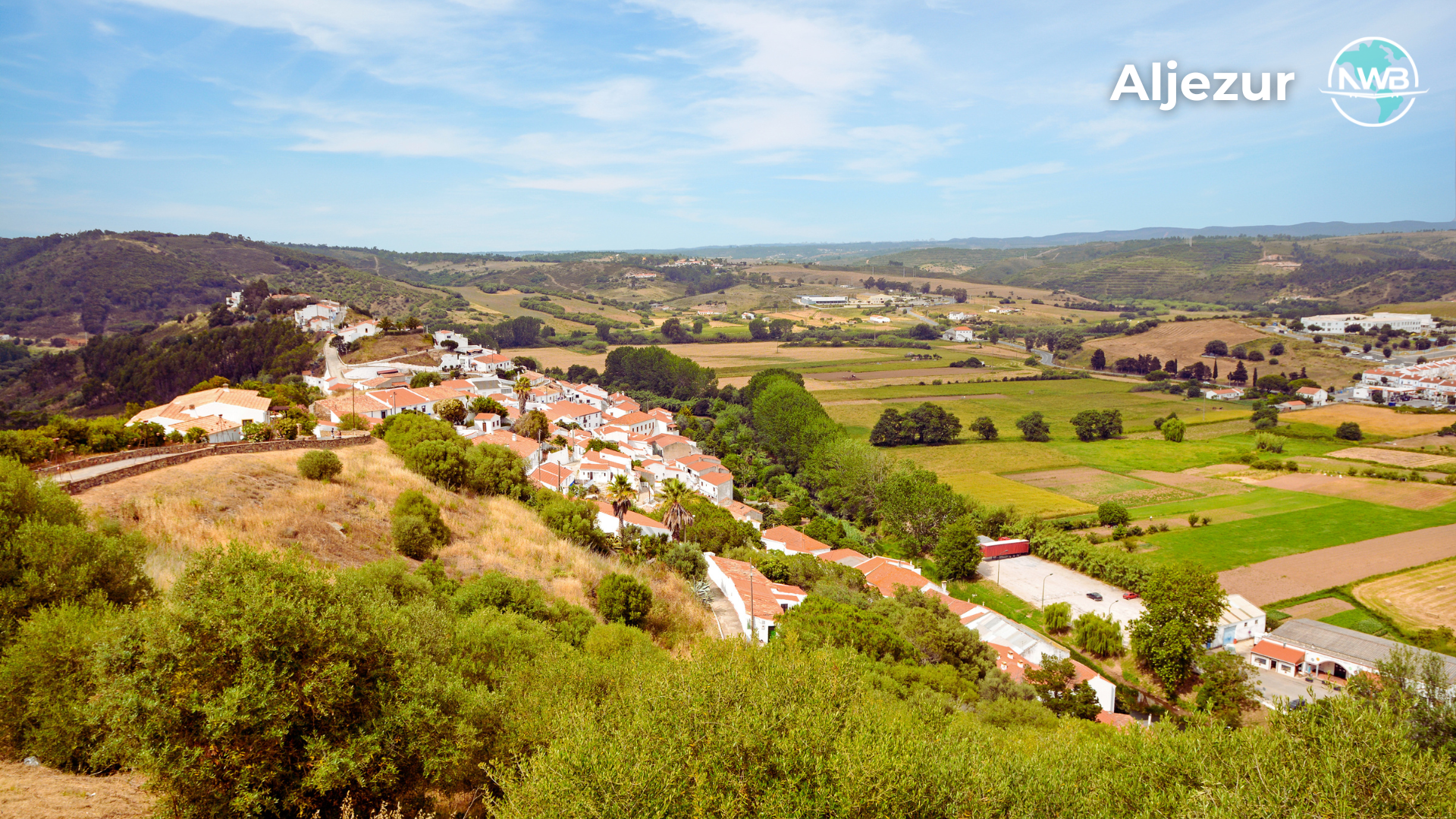
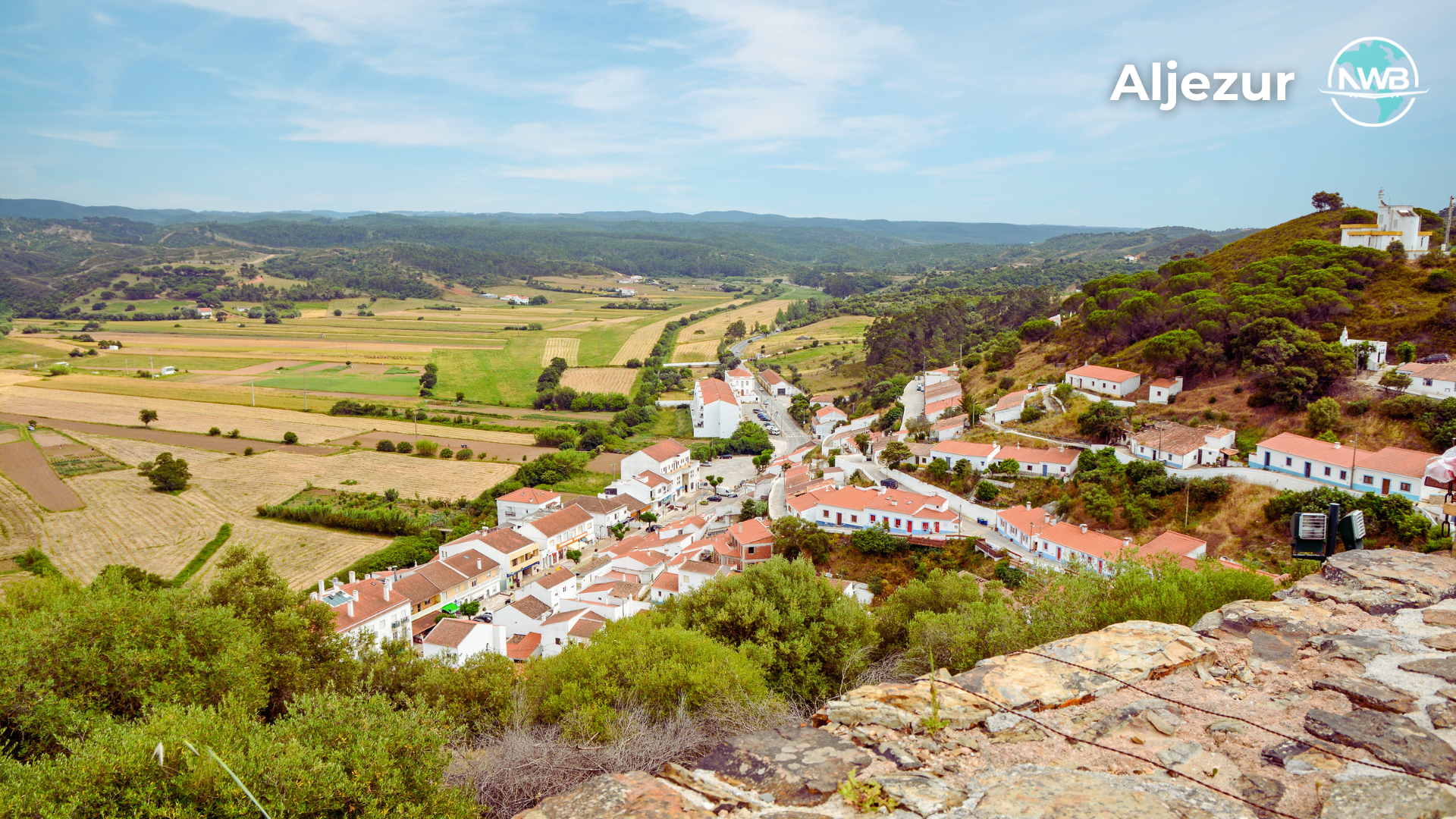
The old town (Mouraria) stretches along the banks of the Ribeira de Aljezur — a tangle of whitewashed houses on narrow cobblestone streets, climbing toward a Moorish castle on the hill. It's a bit crumbly in places, full of character everywhere, and home to some of the best cafés and restaurants in town.
Just across the stream, the new town is more residential and modern — a proper main square surrounded by restaurant terraces, the elegant Igreja Nova (New Church) rising above it all, church bells marking the quarter hour with cheerful regularity.
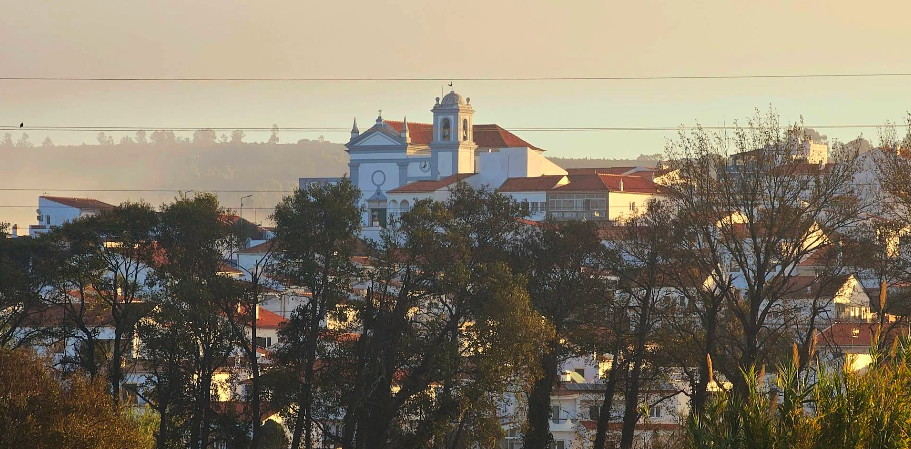
Why the split? The 1755 earthquake — the same catastrophic event that flattened Lisbon and created a tsunami that reshaped the Portuguese coastline — caused serious damage to the old town and, crucially, silted up the river that had made Aljezur a thriving port. The town had to rebuild, and the bishop at the time made the controversial decision to build the new church and encourage settlement in a safer location. The old-town residents were not happy about this. Construction of the Igreja Nova faced serious opposition and wasn't completed until the late 1800s. The two halves of Aljezur still feel slightly separate, and all the better for it — each has its own distinct mood and character.

The Moorish Castle & History
Perched on a rocky hill above the old town, the Castelo de Aljezur is one of the most significant things to see in the area — not for its size, but for what it represents. Built in the 10th century during the Moorish occupation, it was the last Moorish fortress to fall to the Portuguese during the Reconquista, captured in 1249 by Christian forces under King Afonso III.
Not much of the physical structure survives, but what does remain — the outline of the walls, some underground storage silos, and information boards in both Portuguese and English — is enough to spark the imagination. And the views from the top are extraordinary: on a clear day you can see all the way to the coast at Monte Clérigo.
Here's a fun fact that most visitors never hear: "Aljezur" comes from the Arabic word for "island" — al-jazira. This is deeply ironic, given that Aljezur is very much landlocked. The name likely refers to the land between two watercourses that the Moors saw when they settled here, when the river was wider and more prominent than it is today.

The Beaches: Wild, Beautiful, and Varied
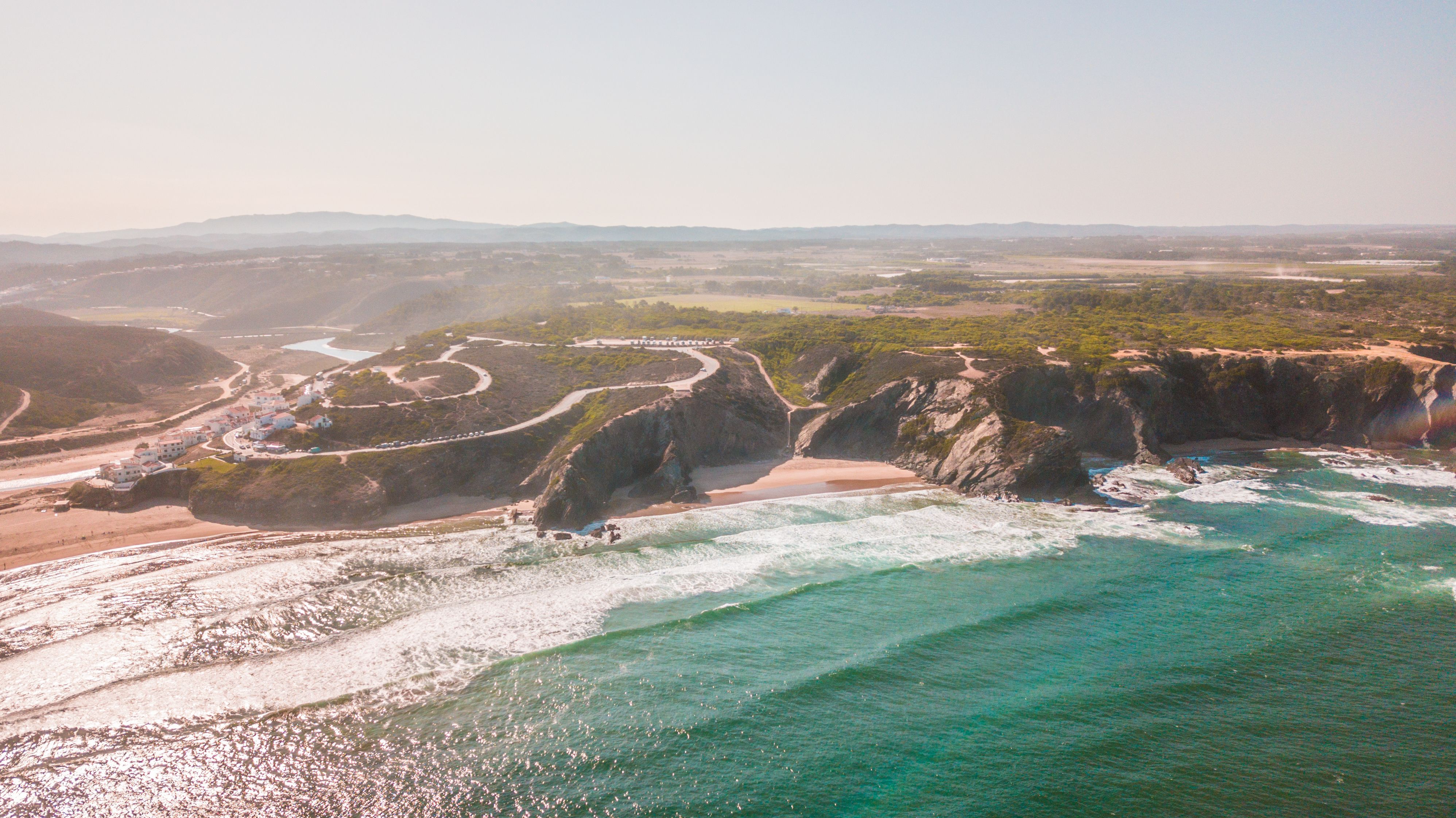
Aljezur isn't directly on the coast — the town sits about 8–10 km inland — but this works in its favour. The surrounding beaches have been spared the development that comes with resort towns, and they range from family-friendly river-meets-sea lagoons to dramatic surf breaks and genuinely secret coves.
Praia da Amoreira — The Family Favourite
Our top pick for families. The Ribeira de Aljezur river flows directly across the beach, meeting the Atlantic at the shoreline. At low tide, this creates a warm, shallow lagoon that is perfect for young children who aren't quite ready for Atlantic waves. The beach is backed by sand dunes and surrounded by dramatic cliffs on both sides, and it consistently holds a Blue Flag status for water quality and safety. Lifeguards are on duty in summer.
Birdwatchers: the 10 km stretch of river between town and this beach is home to kingfishers, grey herons, nightingales, and bee-eaters (the last best spotted March–September). Don't rush the walk from town — the river valley is gorgeous.
Praia da Arrifana — The Most Dramatic
About 10 km southwest of Aljezur, Arrifana is the one that makes people gasp. A sweeping bay of golden sand is enclosed by towering black cliffs, with the ruins of an old Moorish fort perched on the headland above. The surf here is serious — there's a beach break for beginners, a reef break near the harbour for experts only, and a surf school if you want to try it. Even if you don't surf, it's one of the most spectacular beaches in Portugal. Full stop.
Praia de Monte Clérigo — Calm and Cosy
A slightly smaller, more sheltered beach beloved by locals. The golden sand, rock formations, and small cluster of whitewashed cottages at the south end give it an almost Mediterranean feel despite the wild Atlantic setting. Also Blue Flag, with lifeguards in summer, tide pools to explore, and a shallow lagoon at low tide. From the Aljezur castle, you can actually see this beach glinting in the distance — a lovely reminder of how close the coast really is.
Praia da Fateixa — The (Literal) Pirate Beach
Want a secret? The name Fateixa comes from the Portuguese word for a grapnel anchor — the kind pirates used to hook onto ships and haul them close for boarding. This beach was, historically, a pirate haunt. To get down to it today, you need to climb down via ropes fixed to the cliff — not for small children, but absolutely worth it for an adventurous family with older kids. The beach below is usually deserted

Surfing: Aljezur's Main Claim to Fame
The waves around Aljezur draw surfers from across Europe and beyond. Unlike the crowded surf beaches of the more developed Algarve coast, the breaks here still feel relatively uncrowded and the surf culture is genuinely welcoming. All three main beaches (Arrifana, Amoreira, Monte Clérigo) have surf schools and gear rental, and conditions range from mellow beginner whitewash to expert-only reef breaks.
The best surf season is July to November, with autumn often producing the most consistent waves. If you're visiting with kids who want to try surfing for the first time, Arrifana's beginner break is a popular starting point — lessons with certified instructors are available at most beaches.
The Sweet Potato Capital of Portugal
Let's talk about the sweet potato. Aljezur is the largest producer of sweet potatoes in Portugal, and this isn't just a fun local fact — the Aljezur sweet potato has an official PDO (Protected Designation of Origin) status, meaning only sweet potatoes grown here can be called "Batata-Doce de Aljezur." The specific combination of sandy soil over a clay base, combined with the local microclimate, produces a tuber with a distinctive reddish-purple skin and intensely sweet yellow flesh that's unlike any sweet potato you've tried before.
Every autumn, Aljezur hosts the Festival da Batata-Doce e dos Percebes — the Sweet Potato and Goose Barnacle Festival — and the numbers are genuinely impressive: around 40,000 visitors descend on this small town, and more than 35 tonnes of sweet potatoes are cooked and eaten over the festival weekend. You'll find sweet potatoes served in every imaginable way: roasted whole in a wood oven, sliced and fried, in soups, stews, confectionery, ice cream, even sweet potato beer.
The percebes (goose barnacles) are the other star of the festival — harvested from the rocky local coastline, these prehistoric-looking crustaceans are a Portuguese delicacy, boiled simply in seawater and eaten straight from the shell. They taste intensely of the sea. Trust us and try them.
Even outside festival season, sweet potato dishes appear on virtually every menu in Aljezur. Order them. You won't regret it.

Food & Restaurants
The food scene in Aljezur punches well above the town's size. The emphasis is on fresh, local, simple — which is exactly what you want in a coastal town in southern Portugal.
Pont'a Pé is consistently one of the most recommended restaurants in Aljezur, sitting by the old bridge with outdoor seating and a menu focused on genuine local food — fresh seafood, traditional recipes, homemade flavours. The sardines and squid are regulars worth ordering.
O Paulo is the one for serious seafood lovers: barnacles, octopus salad, spider crab, and whatever was caught that morning. Very local, very fresh.
ShaBouco offers outstanding grilled fish at prices that seem almost too reasonable — it's a firm favourite with locals and has earned consistent recognition on review platforms.
Moagem / Mó is a brilliant find in the old town — a vegetarian bistro operating inside a converted mill, with a café and local produce shop overlooking the river. If you're looking for plant-based food, this is your spot, and it's excellent.
Pizzeria Pomodorino for those evenings when the kids have decided they're done with fish — thin crust, proper Italian style, very good.
For coffee and pastries, wander the old town and follow your nose. The smaller cafés around the market and the riverside are typically excellent.
Hiking: The Rota Vicentina
Aljezur sits on one of Europe's great long-distance hiking routes — the Rota Vicentina, which runs approximately 450 km along the western coast of Portugal from Sines in the north to Sagres in the south. Two main trails pass through Aljezur:
The Fishermen's Trail (Trilho dos Pescadores) follows the coastal cliffs and beaches — the most dramatic and visually stunning option. The section from Aljezur south to Arrifana (about 17 km) is one of the route's highlights, with cliff-top views, hidden beaches, and the kind of scenery that makes you stop every ten minutes just to stare.
The Historical Way (Caminho Histórico) runs through the inland countryside, following old rural tracks and linking historic villages. It's quieter, more pastoral, and gives you a completely different — and equally beautiful — perspective on the region.
You don't need to be a long-distance hiker to enjoy the Rota Vicentina around Aljezur. There are shorter sections perfect for families: the Praia da Amoreira Beach Loop (8.5 km, starting 5 km from town) is a lovely half-day circuit with cliff views and ocean scenery. Local tour operators also offer guided hikes of 2–6 hours, some including a swim in a secret lake — which is exactly as good as it sounds.

Other Things to Do
Stand-Up Paddleboarding on the Amoreira River — One of the most serene experiences in the area: a guided SUP tour up the river valley towards Amoreira, through an ecosystem where herons glide above you and kingfishers dart between the reeds. Transfers from Aljezur included.
Jeep Safaris — A full-day jeep tour covers the castle ruins, monastery ruins, cliff viewpoints, and hidden spots that you'd never find on your own. Family-friendly and a great option for days when the older kids need some adventure.
Butterfly Hunting — Genuinely. An NGO has developed a Biodiversity Station along the Amoreira Beach trail dedicated to butterfly habitats, with rare endemic plants like Camphor Thyme. April is the peak month, but species can be spotted year-round. It's a lovely, quiet activity that tends to delight children in a way that no screen ever will.
Biking the Back Roads — The maze of dirt tracks around Aljezur is perfect for leisurely cycling. You can rent bikes (including e-bikes) in both the old and new town, and the routes take you through agricultural land, eucalyptus forests, and along sand dunes depending on which direction you head.
The Museums — The Museu Municipal in the 19th-century town hall is better than you'd expect, with archaeological finds, rural artefacts, and an excellent section on the area's Islamic heritage. The Museu Pintor José Cercas is a hidden gem — the home, belongings, and entire art collection of a locally born painter who left everything to the town when he died in 1992. It's intimate, moving, and free.

Day Trips from Aljezur
Aljezur is a perfect base for exploring the broader Costa Vicentina coastline. Within 30–40 minutes by car you can reach:
Odeceixe — A village that straddles the Alentejo-Algarve border, with one of Portugal's most unique beaches: the river curves around a sandbar before meeting the sea, creating a natural swimming spot that's calm on one side and surf-ready on the other. Magical for families.
Carrapateira — Neighbouring village with two exceptional beaches (Praia da Bordeira and Praia do Amado), the latter considered one of the best windsurfing beaches in Europe. Bordeira's beach backed by vast dunes with a river lagoon is brilliant for children.
Sagres — The dramatic southwestern tip of Europe, where the Atlantic seems to go on forever. The fortress at Cabo de São Vicente is genuinely stirring, and Sagres town has a good range of restaurants and a laid-back end-of-the-world atmosphere.
Vila Nova de Milfontes (further north, about 1 hour) — The most popular town on the Costa Vicentina, with more restaurants, nightlife, and beach facilities. Good for a day trip if you want a bit more energy.
Best Time to Visit
Spring (March–May) is arguably the best time — wildflowers are out across the natural park, the trails are at their most beautiful, temperatures are ideal (18–24°C), and the beaches are peaceful. The butterfly station is at its best in April.
Summer (June–August) is warm and sunny — beach days are excellent, surf conditions are good, and the town has a lively energy. It's busier than you'd expect in the "off" Algarve, but nothing compared to the resort towns. July–August see the best consistent surf.
Autumn (September–November) brings the Sweet Potato Festival (usually November), the beginning of the big surf season, and noticeably fewer visitors. Temperatures remain comfortable well into October (20–25°C). The light turns golden. It's wonderful.
Winter (December–February) is the quiet season — cooler (12–16°C on average), occasionally rainy, but surprisingly pleasant for hiking (the trails are lush and green) and for those who want Aljezur almost entirely to themselves. The surf is often at its most powerful.
Getting There & Getting Around
By car: The most practical option, and genuinely important for exploring the surrounding beaches and coastline. The nearest major airport is Faro (125 km, about 1.5 hours). Lisbon airport is approximately 2.5 hours north. Aljezur is accessed via the N120 road from Lagos or the N268 from the north.
By bus: Rede Expressos operates a direct service from Lisbon's Sete Rios bus station (approximately 3.5 hours, around €20 each way). From Lagos, local buses connect to Aljezur in about 50 minutes. The buses stop at the Mercado Municipal near the old town bridge — you can buy tickets on the bus or at Café do Mercado.
Getting around: You really do need a car once you're here. The beaches are 8–10 km from town and public transport between them is minimal. If you arrive by bus, taxi and bike rental are the best local options.
Before you go, check out our 101 Portugal Travel Tips — it's packed with practical advice on everything from renting cars to navigating tolls that will make your trip smoother.

Aljezur for Families
Aljezur is genuinely excellent for families — perhaps more so than the more developed Algarve resorts, because the pace is slower, the beaches are less crowded, and there's enough variety to keep everyone entertained across a longer stay.
The best family beaches are Praia da Amoreira (river lagoon, Blue Flag, ideal for young kids) and Praia de Monte Clérigo (sheltered, tide pools, disabled access). Praia da Arrifana is better for older children who can handle more surf. The butterfly trail, the castle climb, the river SUP tours, and the jeep safaris are all brilliant for kids of different ages.
The Sweet Potato Festival in autumn is a genuinely fun family day out — the atmosphere is festive, the food is brilliant, and the kids will find the goose barnacle-eating adults either hilarious or deeply alarming (both are correct reactions).
One practical note: a car is essential with children, both for beach access and for the flexibility to work around nap times and spontaneous detours. Pack snacks — the drive between beaches can take 15–20 minutes each way, and hangry children in car seats deserve a mention in no travel guide but a lot of therapy.
6 Fun Facts About Aljezur
- "Aljezur" means "island" in Arabic — despite the town being completely landlocked. The name al-jazira likely referred to the land between two watercourses in the Moorish era.
- It was the last Moorish castle to be taken in the Portuguese Reconquista, falling in 1249. The rest of Portugal had already been captured — Aljezur held out.
- The 1755 earthquake didn't just damage the town — it rerouted the river. Aljezur was once a busy coastal port. After 1755, the river silted up and the town lost its maritime identity entirely.
- Praia da Fateixa is named after a pirate's hook. The word fateixa is the Portuguese for a grapnel anchor — the tool pirates used to catch enemy ships. The beach was a known pirate hideout.
- The local sweet potato has EU Protected Designation of Origin status — the same level of protection as Champagne, Parmigiano-Reggiano, and Roquefort cheese. Aljezur's sweet potato is officially that special.
- Aljezur has a butterfly biodiversity station — a dedicated conservation area along the Amoreira trail, developed by an NGO to protect rare endemic plant species and the butterfly populations that depend on them.
Frequently Asked Questions About Aljezur
What is Aljezur, Portugal known for?
Aljezur is known for its wild, unspoiled beaches within the Southwest Alentejo and Vicentine Coast Natural Park, its surf scene (particularly at Praia da Arrifana), its 10th-century Moorish castle, and its famous sweet potato with PDO protected status. It's considered one of the least touristy towns on the Algarve, offering a quieter, more authentic alternative to the resort coast.
Which are the best beaches near Aljezur?
The four main beaches are Praia da Arrifana (most dramatic, great surf), Praia da Amoreira (best for families, river lagoon), Praia de Monte Clérigo (sheltered, calm, Blue Flag), and the hidden Praia da Fateixa (pirate history, rope access, usually deserted). All are within 15 km of the town.
Is Aljezur worth visiting?
Absolutely — especially if you're looking for the Algarve without the crowds. Aljezur offers exceptional beaches, a fascinating split old-town and new-town history, great food, world-class hiking on the Rota Vicentina, and a genuinely unhurried pace that's hard to find anywhere else on the southern Portuguese coast.
Is Aljezur good for families?
Yes — it's one of the better spots in the Algarve for families precisely because it's less developed. Praia da Amoreira's river lagoon is ideal for young children, the beaches are less crowded, and activities like the butterfly trail, castle climb, river SUP tours, and jeep safaris give older kids plenty to do beyond the beach.
When is the Aljezur Sweet Potato Festival?
The Festival da Batata-Doce e dos Percebes typically takes place in November. Around 40,000 visitors attend over the festival weekend, with over 35 tonnes of sweet potatoes cooked in various ways alongside fresh goose barnacles (percebes) from the local coast.
How do I get to Aljezur from Lisbon?
By car: approximately 2.5 hours via the A2 motorway, turning onto the N120 near Lagos. By bus: Rede Expressos runs a direct service from Sete Rios bus station (approximately 3.5 hours, around €20). From Faro airport, the drive is about 1.5 hours.
Do I need a car in Aljezur?
Yes, if you want to explore the beaches and surrounding area properly. The beaches are 8–10 km from town and public transport between them is limited. A car also allows you to explore the broader Costa Vicentina coast at your own pace.
What should I eat in Aljezur?
Try the Batata-Doce de Aljezur (sweet potato) in any form, percebes (goose barnacles), fresh grilled fish, and local seafood. Pont'a Pé and O Paulo are both excellent for traditional local food.
Aljezur is the kind of place that doesn't advertise itself, doesn't need to, and quietly becomes a favourite of everyone who finds it. The coast is wild, the food is honest, the history is fascinating, and the pace is exactly what a family holiday should feel like — slow enough to actually rest, interesting enough that nobody is bored.
If you're planning a broader trip through southern Portugal, you'll find our complete guide to Central Portugal covers everything from Coimbra to the Serra da Estrela mountains — perfect for building a longer itinerary that takes in both the wild west coast and the historic heart of the country.
Go to Aljezur. Eat the sweet potato. Climb the castle. Sit on the beach until the sun hits the water.
You'll want to come back.